


Have you seen the rumors about the Anonverse a privacy-focused Web3 gaming platform that has been generating buzz in decentralized communities teaming up with CoinMarketCap the world's largest cryptocurrency data aggregator and market information provider for a massive token drop? If you are scrolling through social media feeds right now, you might feel a sudden urge to click every link promising free tokens. That feeling is exactly what scammers count on. Before you connect your wallet or enter any personal details, we need to pause and look at the facts. As of mid-2026, there is no verified official announcement from either Anonverse or CoinMarketCap regarding a joint airdrop campaign.
The digital asset space moves fast, but legitimate projects do not operate in the shadows. When a major player like CoinMarketCap partners with a new protocol, it is usually announced across multiple verified channels simultaneously. The absence of such an announcement is a red flag that cannot be ignored. This guide will help you understand what is likely happening behind these rumors, how to verify if a similar opportunity ever becomes real, and most importantly, how to protect your assets from phishing attempts disguised as legitimate promotions.
Decoding the Rumor Mill
Why is everyone talking about this specific collaboration? To understand the hype, we first need to look at the entities involved. Anonverse positions itself as a pioneer in private, decentralized gaming infrastructure. It aims to solve the transparency issues often found in traditional online gaming by using blockchain technology to ensure fair play without exposing user data. On the other side, CoinMarketCap serves as the primary source of truth for millions of traders looking for price charts, market caps, and project fundamentals. A partnership between them would theoretically bridge the gap between niche gaming utility and mainstream financial awareness.
However, the nature of this "news" suggests a different reality. In the crypto ecosystem, fake airdrops are a common tactic used to drain wallets. Scammers create fake websites that mimic the branding of well-known projects. They use tools to generate realistic-looking landing pages that ask users to connect their wallets under the guise of claiming rewards. Once connected, malicious scripts can interact with your wallet to approve unauthorized transactions. This is not just a theoretical risk; it happens daily. The mention of "CMC" adds a layer of credibility that makes the scam more effective because users trust the brand name.
How to Verify Legitimate Airdrops
You do not have to be a cybersecurity expert to spot a fake. There are simple steps you can take to verify if an airdrop is genuine before you engage with it. First, always check the official communication channels of the projects involved. For CoinMarketCap, this means their official Twitter account, their website news section, and their Discord server. Look for direct links from these sources. If the only place you hear about the airdrop is from random Telegram groups or unsolicited emails, it is almost certainly a scam.
Second, examine the URL carefully. Phishing sites often use slight variations in domain names, such as replacing an 'o' with a '0' or adding extra words like "airdrop" or "official" to the end of the address. Always copy the URL from a trusted source rather than clicking links provided in messages. Third, check the smart contract addresses. Legitimate projects publish their contract addresses on verified platforms like Etherscan or Solscan. If a site asks you to interact with a contract that has no verification history or was created recently, stop immediately.
Understanding the Mechanics of Real Campaigns
If Anonverse were to launch a legitimate airdrop, how would it work? Typically, modern airdrops focus on rewarding active community members rather than distributing tokens randomly. This approach ensures that the token goes to people who actually care about the project's success. You might see requirements such as holding a certain NFT, participating in governance votes, or completing specific tasks within the gaming ecosystem. These mechanisms are designed to filter out bots and sybil attackers who try to claim tokens using hundreds of fake accounts.
CoinMarketCap, when it participates in promotional events, usually does so through its "CMC Earn" program or by listing new tokens. These programs have clear terms and conditions published on their official site. They rarely involve complex interactions with unknown smart contracts. Instead, they might require you to follow social media accounts, join a Discord server, or complete educational quizzes. The process is transparent, and the rewards are distributed directly to your linked wallet address without requiring you to sign suspicious transaction approvals.

Protecting Your Digital Assets
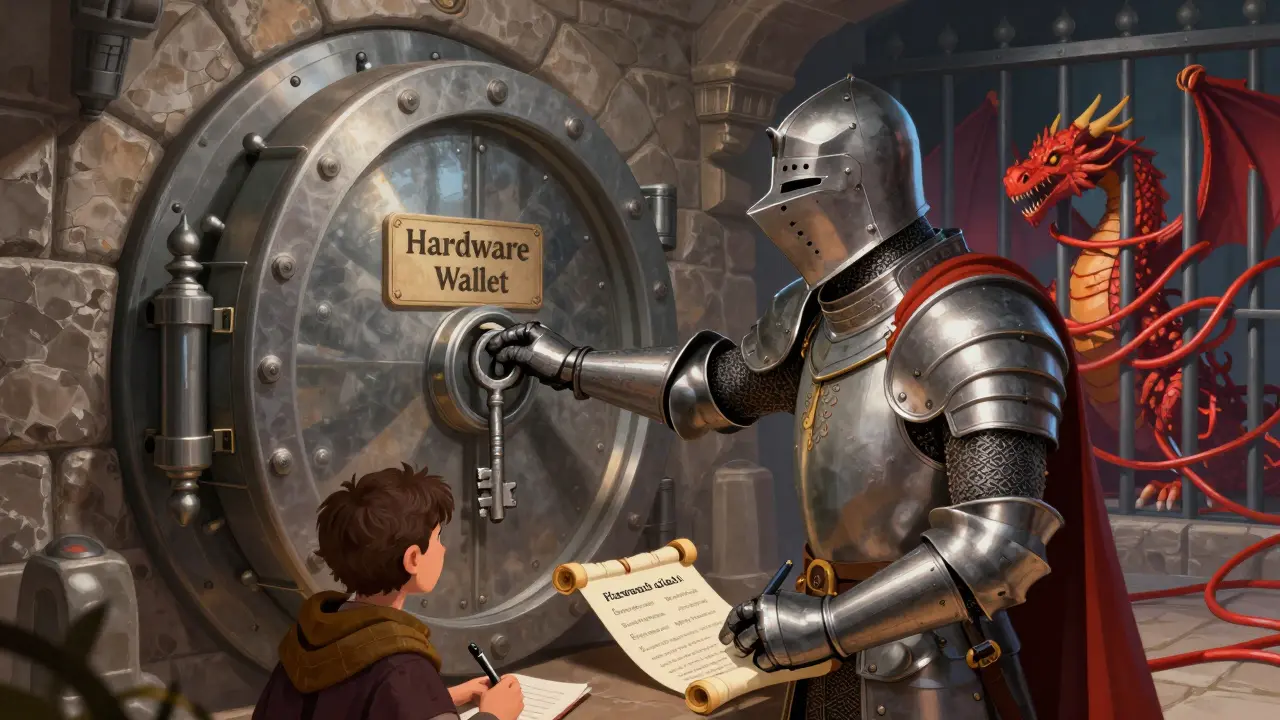
Your security should always come before your curiosity. Here are practical steps to keep your crypto safe while exploring new opportunities. Use a separate wallet for interacting with new or unverified protocols. Do not use your main storage wallet that holds your long-term investments. By isolating your high-risk activities, you limit the potential damage if something goes wrong. Consider using a hardware wallet for signing transactions, as it provides an additional layer of security by keeping your private keys offline.
Be cautious with approval limits. When you connect your wallet to a dApp, you may be asked to approve spending limits for certain tokens. Never approve unlimited spending unless you fully trust the protocol. Most reputable interfaces allow you to set a specific amount for approval. If a site forces you to approve infinite amounts, it is a significant warning sign. Regularly review and revoke unused approvals using tools like Revoke.cash to ensure that old permissions do not become vulnerabilities later on.
| Feature | Legitimate Airdrop | Fake Airdrop / Scam |
|---|---|---|
| Announcement Source | Official website, verified social media handles | Random DMs, unverified Telegram groups, pop-up ads |
| Wallet Interaction | Read-only actions or simple signature requests | Requires connecting wallet and approving unlimited spend |
| Cost | Free (may require gas fees for claiming) | Asks for upfront payment or "verification fee" |
| Domain Name | Matches official project domain exactly | Slight misspellings or added subdomains |
| Urgency | Clear deadlines with ample time to participate | Creates false urgency with countdown timers |
The Role of Community Vigilance
In the decentralized world, the community acts as the first line of defense. Platforms like Twitter and Reddit often have dedicated threads where users share experiences and warn others about scams. Before engaging with any new opportunity, search for recent discussions about it. If you find reports of drained wallets or phishing links associated with the same name, avoid it at all costs. Conversely, if many reputable voices are discussing a legitimate campaign, you can feel more confident in proceeding with caution.
Educational resources are also vital. Projects like Anonverse and CoinMarketCap benefit from having informed users. By learning how to identify red flags, you contribute to a safer ecosystem for everyone. Share your knowledge with friends and family who might be less experienced with blockchain technology. Many scams target newcomers who are eager to make quick gains but lack the understanding to distinguish between opportunity and exploitation.
What to Do If You Have Already Interacted
If you suspect you have already connected your wallet to a fraudulent site related to the Anonverse X CMC rumor, act quickly. First, disconnect your wallet from the site immediately. Next, check your transaction history for any unusual outgoing transfers. If you see unauthorized transactions, move any remaining funds to a new, secure wallet address. Change your passwords for any exchange accounts linked to your email, and enable two-factor authentication if you haven't already. While you cannot reverse blockchain transactions, taking these steps can prevent further loss and secure your other assets.
Report the incident to the relevant authorities and the platforms involved. CoinMarketCap and Anonverse both have support teams that appreciate being notified of impersonation attempts. They can issue warnings to their broader user base and potentially take legal action against the perpetrators. Your report helps protect others from falling into the same trap.
Looking Ahead: Future Opportunities
The intersection of gaming and finance continues to evolve. Projects like Anonverse represent the next wave of innovation in this space, focusing on user privacy and fair mechanics. While the current rumors surrounding a CMC partnership appear to be unfounded, it is possible that legitimate collaborations could emerge in the future. Stay updated by following official announcements and engaging with the community through verified channels. Patience and diligence will serve you better than rushing into unverified schemes.
Remember, the goal of participating in the crypto ecosystem is to build wealth and enjoy new technologies, not to lose money to bad actors. By staying informed and skeptical of too-good-to-be-true offers, you position yourself to take advantage of real opportunities when they arise. Keep your security practices tight, verify every source, and never let FOMO drive your decisions.
Is the Anonverse X CMC airdrop real?
As of June 2026, there is no official confirmation from Anonverse or CoinMarketCap regarding a joint airdrop. Treat any claims otherwise as potential scams until verified by official channels.
How can I tell if an airdrop is a scam?
Check if the announcement comes from official verified social media accounts and websites. Be wary of sites asking for unlimited wallet approvals, upfront payments, or those with slightly misspelled domain names.
What should I do if I clicked a suspicious link?
Disconnect your wallet immediately, check for unauthorized transactions, move remaining funds to a new wallet, and change your passwords. Report the incident to the affected projects.
Does CoinMarketCap run airdrops?
Yes, CoinMarketCap occasionally runs promotional campaigns through its CMC Earn program, but these are clearly documented on their official website and do not typically involve risky smart contract interactions.
Is Anonverse a legitimate project?
Anonverse is a known entity in the Web3 gaming space focused on privacy. However, legitimacy of the project does not imply legitimacy of every third-party claim or rumor associated with it. Always verify specific announcements independently.