

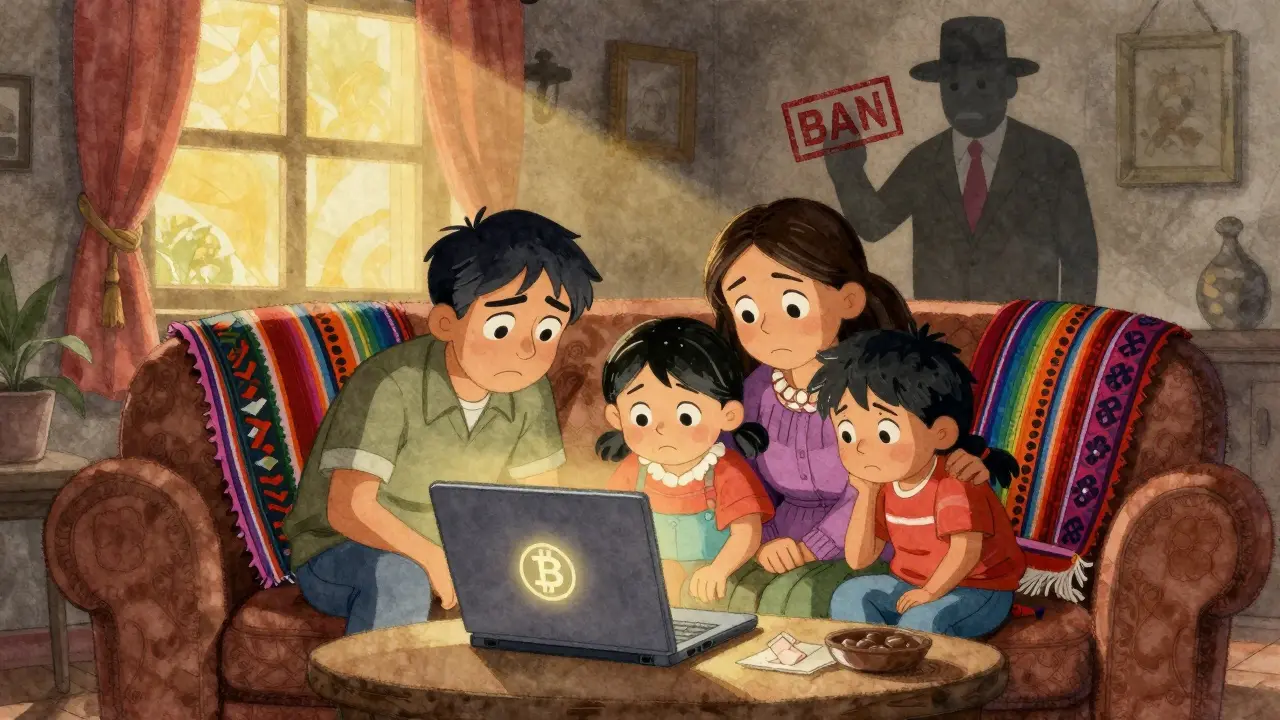
For nearly a decade, Bolivia was one of the strictest countries in the world when it came to cryptocurrency. If you used Bitcoin, Ethereum, or any other digital asset there, you were breaking the law. The Central Bank of Bolivia didn’t just discourage crypto - it banned it outright. No exchanges. No wallets. No mining. No payments. Even holding crypto could get you in trouble. That changed in 2024. And what happened next surprised even the most experienced observers.
The Ban That Stopped Everything
On May 6, 2014, Bolivia’s Central Bank issued a resolution that made cryptocurrency illegal. The reasoning was simple: they wanted to protect the national currency, the boliviano, and prevent financial fraud. At the time, crypto was still new, volatile, and poorly understood. The government feared money laundering, capital flight, and loss of control over monetary policy. So they shut it down completely. The ban was reinforced in 2020 with Resolution No. 144/2020. By then, crypto had exploded globally. But Bolivia held firm. People still used it - secretly. Some bought Bitcoin on peer-to-peer platforms. Others used it to send money across borders, especially to family in Spain or the U.S. But every transaction carried risk. If caught, users could face fines or worse. The black market for crypto grew, but so did frustration.The Turning Point: June 26, 2024
Everything flipped on June 26, 2024. The Central Bank of Bolivia dropped Resolution No. 82/2024 - and lifted the ban. No more warnings. No more threats. Just a clear statement: cryptocurrency is now legal. This wasn’t a whim. It came after years of pressure. Bolivians were already using crypto anyway. Remittances from abroad - a lifeline for millions - were being sent through crypto because traditional banks were slow and expensive. Stablecoins pegged to the U.S. dollar became the unofficial currency for cross-border payments. People realized digital assets weren’t a threat - they were a tool. The government saw the numbers. They saw how much money was already flowing outside the system. And they realized prohibition wasn’t working. It wasn’t stopping crypto - it was just pushing it underground.The New Rules: Licensing, Stability, and Oversight
Legalizing crypto wasn’t enough. Bolivia needed rules. So in April 2025, they introduced Resolution No. 019/2025. This was the first step toward recognizing virtual assets and the companies that serve them - called Virtual Asset Service Providers (VASPs). Suddenly, crypto exchanges, wallet providers, and trading platforms could operate legally - if they got licensed. Then came Supreme Decree No. 5384 in May 2025. This was the big one. It created a full legal framework. Now, any company offering crypto services in Bolivia must register with the government. They need to prove they have anti-money laundering systems, know-your-customer checks, and secure infrastructure. No more fly-by-night platforms. No more anonymous wallets. The system was designed to protect users, not punish them. The Central Bank didn’t stop there. In March 2025, they started using USD-pegged stablecoins for government-backed remittance programs. That’s right - the central bank itself began using crypto. Not as speculation. Not as gambling. As a practical tool to move money faster and cheaper across borders. This sent a powerful signal: crypto isn’t the enemy. It’s infrastructure.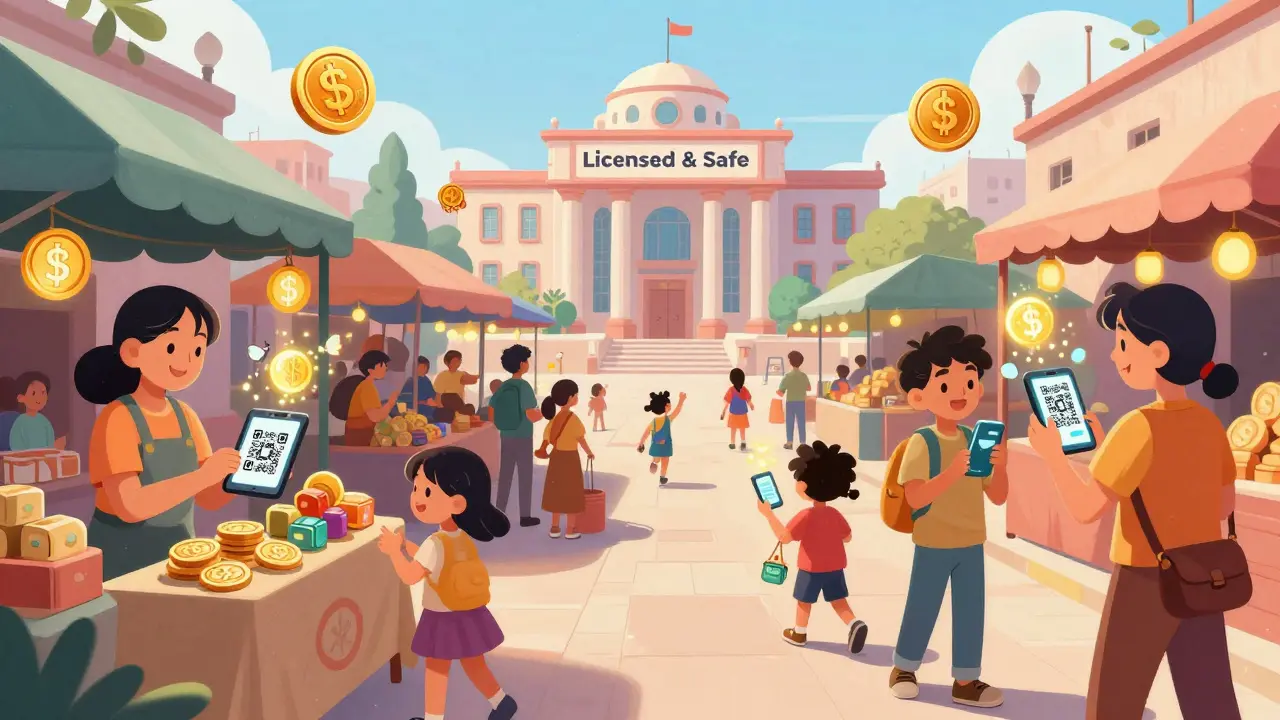
Adoption Skyrocketed - Fast
The results were immediate. In the first six months of 2025, Bolivians conducted $294 million in cryptocurrency transactions. That’s more than double what was estimated for the entire previous year. Usage jumped over 500% in just 12 months. One platform, Meru, saw its user base grow by 6,600% after the ban ended. That’s not a typo. Six thousand six hundred percent. Thousands of people who had been using crypto in secret suddenly felt safe signing up. Wallets filled. Transactions flowed. People started paying for goods and services with Bitcoin and USDT. Why the rush? Because Bolivia’s economy has long struggled with inflation and currency instability. The boliviano lost value over time. Many families relied on dollars from relatives abroad. Crypto offered a better way - stable, fast, low-cost. For people who had been locked out of the global financial system, crypto wasn’t a trend. It was survival.How Bolivia’s Approach Is Different
When El Salvador made Bitcoin legal tender in 2021, the world watched. But Bolivia didn’t follow that path. They didn’t force anyone to use Bitcoin. They didn’t install ATMs in every town. Instead, they focused on building a regulated environment where people could choose what worked for them. In Bolivia, people use stablecoins for everyday payments. Bitcoin for international transfers. Ethereum for smart contracts and DeFi. Different tools for different needs. There’s no government mandate. Just freedom - with rules. This approach is more sustainable. It avoids the chaos that comes with forcing one asset on a whole country. It lets the market decide. And it’s working. While Algeria cracked down harder than ever, Bolivia opened the door - and walked through it.
Dave Ellender
January 24, 2026 AT 07:38It’s not about Bitcoin being money-it’s about infrastructure. Bolivia figured out that banning something people already use just creates black markets. Letting it in with rules? That’s governance.
Mathew Finch
January 25, 2026 AT 12:32Jessica Boling
January 25, 2026 AT 19:29Andy Marsland
January 26, 2026 AT 19:56And now they want to license VASPs? Great. That means we’ll have government-approved crypto platforms charging fees to replace the fees they used to charge. The only thing that changed is who gets to take a cut. The people still pay. The system still sucks. They just added paperwork.
Tselane Sebatane
January 28, 2026 AT 16:15And the education campaigns? That’s the real win. Too many countries throw crypto at people and say ‘good luck.’ Bolivia said ‘here’s how to stay safe.’ That’s leadership. That’s care. That’s what happens when you listen to the people instead of pretending you know better.
Jen Allanson
January 29, 2026 AT 18:09HARSHA NAVALKAR
January 30, 2026 AT 03:59Jennifer Duke
February 1, 2026 AT 03:38Linda Prehn
February 2, 2026 AT 03:35Adam Lewkovitz
February 3, 2026 AT 14:28Brenda Platt
February 5, 2026 AT 02:34Arnaud Landry
February 5, 2026 AT 12:14george haris
February 7, 2026 AT 06:51David Zinger
February 8, 2026 AT 06:49steven sun
February 9, 2026 AT 14:34Sara Delgado Rivero
February 9, 2026 AT 19:38Athena Mantle
February 10, 2026 AT 18:32carol johnson
February 12, 2026 AT 04:42Paru Somashekar
February 12, 2026 AT 14:44Steve Fennell
February 14, 2026 AT 06:27Chidimma Catherine
February 14, 2026 AT 23:30Melissa Contreras López
February 16, 2026 AT 20:46Arielle Hernandez
February 17, 2026 AT 10:11Abdulahi Oluwasegun Fagbayi
February 17, 2026 AT 12:28Jeffrey Dufoe
February 18, 2026 AT 00:56katie gibson
February 18, 2026 AT 01:08Ashok Sharma
February 19, 2026 AT 11:03