


In the world of cryptocurrency, few places are as complex and scrutinized as Iran when it comes to regulations. As we move deeper into 2026, the landscape surrounding mining operations and the movement of digital assets in the Islamic Republic remains a critical puzzle for investors and operators alike. The prevailing narrative focuses on the relationship between miners and the state, specifically regarding the mandatory crypto sales directive often rumored among traders. However, the actual mechanics established in 2025 reveal a system defined less by outright confiscation and more by a tightly controlled pathway for converting mining rewards into national currency.
The 2025 Regulatory Shift
To understand where things stand today, we must look back at the major pivot that occurred in January 2025. The Iranian government formally designated the Central Bank of Iran (CBI) as the sole authority regulating the cryptocurrency market. This wasn't just a minor policy update; it was a fundamental restructuring of who holds the reins on digital assets within the country. Before this, the market operated in a grey zone, but the new directive cemented exclusive jurisdiction for the CBI.
Central Bank of Iran is now the primary gatekeeper for all crypto activities. Their new mandate includes issuing licenses, overseeing trading platforms, and determining permitted conditions for holding digital assets. For anyone involved in mining hardware or software development, this means that operating without a license obtained directly from the Central Bank is now effectively illegal. The transition removed the ambiguity that previously allowed many small-scale miners to operate in the shadows.
This centralized approach allows the state to monitor the flow of funds more closely. While domestic payments using crypto remain prohibited, mining itself is viewed differently. The government sees mining as a tool to earn foreign reserves, compensating for the loss of access to US Dollars due to international sanctions. This duality creates a specific set of rules where the act of creation is encouraged, but the act of possession is restricted.
How Mining Licenses Work Now
If you are running hash power in Iran, the operational model has changed significantly compared to previous years. Every participant-whether an individual, a legal entity, or a business-must fall under Central Bank oversight. The process isn't just about paying a fee; it's about integration with state monitoring systems.
| Regulatory Feature | Pre-2025 Status | Post-June 2025 Requirement |
|---|---|---|
| Licensing Authority | Varied / Unclear | Exclusively Central Bank |
| Data Access | Limited Oversight | Unrestricted API Access |
| Fiat Conversion | Multiple Unofficial Channels | Licensed Platforms Only |
| Purpose | Personal Investment | State Revenue Generation |
One of the most significant changes involves the "data wall." Previously, regulators struggled to track exactly who was mining what. The updated framework grants the CBI direct and unrestricted access to all statistics and records related to crypto entities. This means your mining software logs, wallet addresses, and transaction volumes are potentially visible to regulators in real-time. This level of transparency was a primary goal of the January directive, designed to stop capital flight and ensure that the massive amounts of Bitcoin generated within the borders stay compliant with national interest.
The "Mandatory Sale" Mechanism
When people ask about mandatory sales, they are often asking if the government forces miners to hand over 100% of their production. The reality is more nuanced. There is a distinction between ownership of the mined coins and the ability to liquidate them. The government encourages the accumulation of digital assets as a hedge against inflation, provided that these assets are eventually converted through state-approved channels.
In practice, the "sale" requirement manifests through the control of exchanges. By late 2025, the Central Bank began unblocking specific cryptocurrency-to-fiat exchange platforms, but only if they were equipped with government APIs. These APIs provide the bank with full visibility into user data. If a miner wishes to turn their Bitcoin into Rials to pay for utilities or buy equipment, they must use these vetted platforms.
GovTech API Integration represents a critical hurdle for any platform operating in Iran. This technology enables the Central Bank to enforce KYC and AML protocols by scanning every transaction attempt before execution. Because unofficial markets lack this API connection, transacting outside these approved channels triggers immediate red flags. Consequently, miners find themselves channeled into a "soft" mandatory sales environment where the choice of *where* to sell is dictated by the state, effectively controlling the price and volume of liquidity available.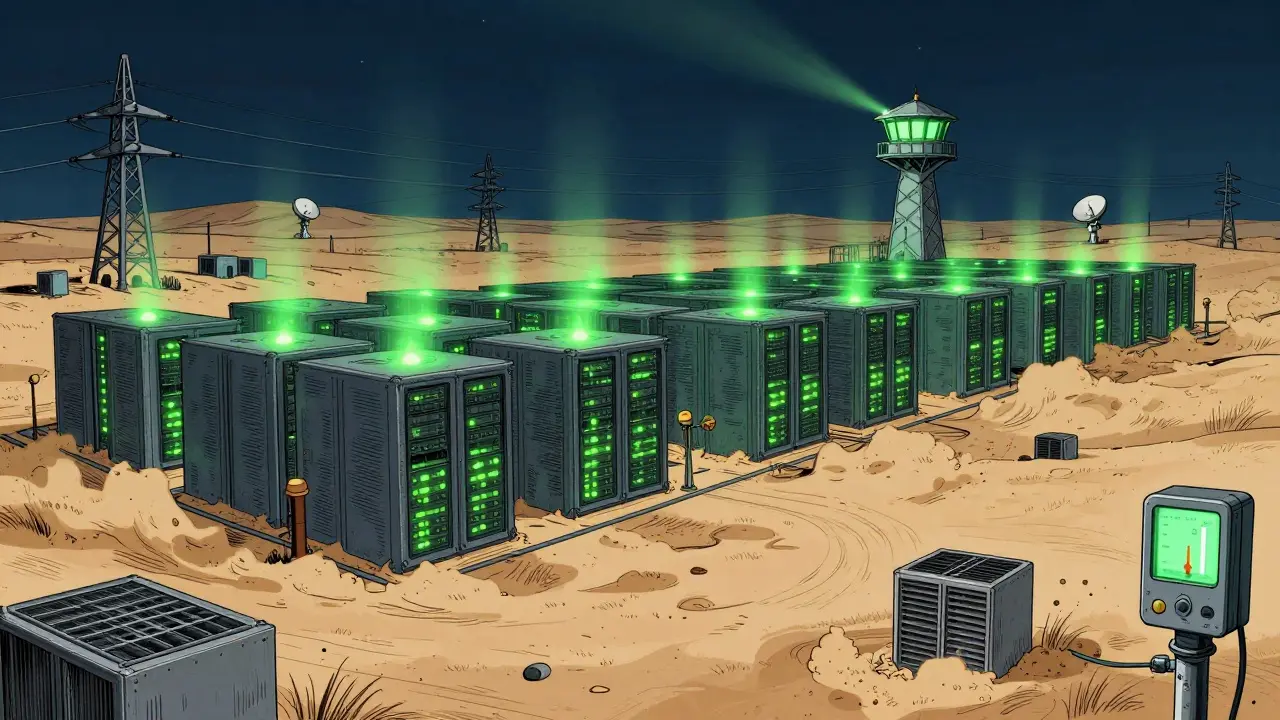
Energy Constraints and the IRGC Factor
You cannot discuss mining in Iran without discussing electricity. The sector accounts for a significant portion of the country's power consumption, estimated around 4.5% of global mining capacity relative to the country's size, despite the grid frequently struggling with shortages. This tension led to rolling blackouts in regions like Qom and Tehran throughout 2024.
The Islamic Revolutionary Guard Corps (IRGC) has emerged as a dominant player in this space. Reports indicate that IRGC-linked enterprises partnered with Chinese companies to establish massive mining farms, such as the 175-megawatt facility in Rafsanjan. These state-backed operations enjoy dedicated power feeds and minimal scrutiny compared to independent miners. They essentially serve as the vanguard of Iran's sanctioned economic strategy, earning hard crypto to bypass trade barriers.
This creates an uneven playing field. While the state promotes mining, they prioritize facilities that contribute directly to state revenue or strategic goals. Independent miners face stricter consumption caps during peak hours. In effect, the "licensing" requirement filters out smaller players who cannot meet the high standards of energy efficiency and reporting required by the new regulations. This centralization helps the grid management but concentrates wealth generation in the hands of a few large, sanctioned-friendly entities.
Data Privacy and Industry Pushback
The requirement for total data transparency hasn't gone uncontested. The Iran Fintech Association publicly objected to the invasive data-sharing requirements introduced in the December 2024 framework. They labeled the demand for confidential user information as a "red line" for local platforms. This highlights a tension between a progressive tech industry seeking to build legitimate financial infrastructure and a security apparatus demanding absolute visibility.
This pushback matters because it sets a precedent for enforcement. While the Central Bank issued the directive, local associations represent the businesses actually doing the work. The standoff created uncertainty in early 2025, but by mid-year, compliance became non-negotiable for those wishing to avoid judicial action. Operators realized that resistance resulted in blocked services, forcing widespread adoption of the reporting tools.
Capital Flight and the Informal Market
Despite these heavy regulations, the pressure remains high. The Rial has seen continued volatility, driving citizens to seek stability in cryptocurrencies. This creates a classic paradox: the government restricts holding crypto to prevent money leaving the economy, yet the instability of the fiat currency pushes people toward it anyway.
As of the most recent reports, nearly one million Iranians faced restrictions on purchasing crypto for extended periods due to these tight measures. The ban on advertising, implemented in February 2025, further tightened the screws. You won't see Bitcoin ads on billboards or social media anymore. This blackout campaign ensures that participation in the market relies heavily on private networks and trusted referrals, making it harder for new entrants to navigate the rules.
Digital Rial and the Future of Payments
Looking ahead, the government is preparing its own digital currency solution to further consolidate control. The pilot program on Kish Island aims to launch the Digital Rial, a Central Bank Digital Currency (CBDC). This project targets reducing dependency on the dollar and streamlining transactions internally.
For miners, the existence of a Digital Rial adds another layer to the "mandatory sale" conversation. Eventually, regulations may allow for direct settlement of mining rewards into Digital Rial rather than letting the coin sit in a hot wallet. This would close the loop on foreign exposure entirely. It aligns with the long-term vision of keeping all economic activity within the national ledger, monitored by the authorities.
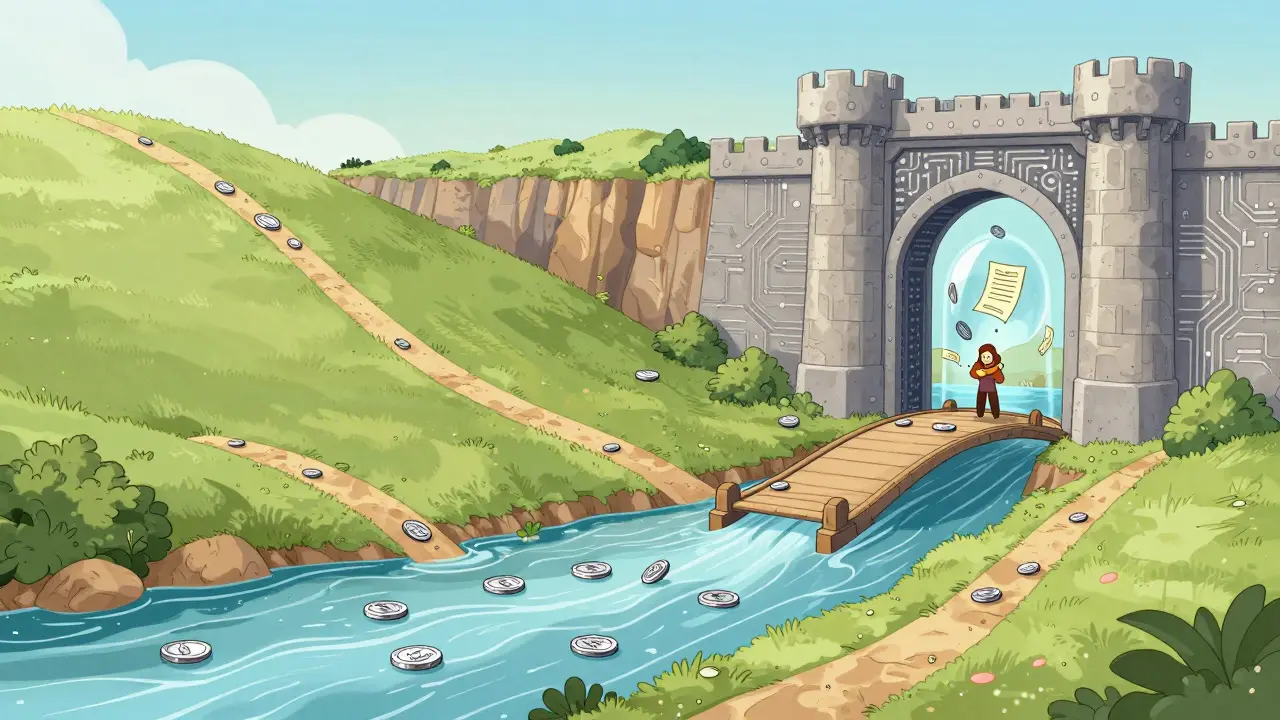
Ultimately, the current 2026 environment defines "mandatory sales" not as seizing property, but as restricting the exit routes. Miners are free to dig up the coins, but they are herded into state-sanctioned valleys to spend or exchange them. The goal remains consistent: utilize the energy of the nation to acquire foreign reserves while maintaining strict surveillance over who holds the keys to that value. This delicate balance defines the unique, restrictive, yet operational nature of Iran's crypto ecosystem.
Do miners have to sell 100% of their Bitcoin to the state?
No, there is no direct order requiring a 100% surrender of production. However, miners must convert earnings through Central Bank-approved exchanges that report transaction data to the authorities.
Is cryptocurrency mining legal in Iran?
Yes, mining is legal and incentivized, provided the operator obtains a license from the Central Bank and complies with energy usage caps and reporting requirements.
What happened to crypto advertising in 2025?
In February 2025, the government implemented a global ban on cryptocurrency advertising, covering both online platforms and physical media to limit public access to crypto entry points.
Does the IRGC participate in Bitcoin mining?
Yes, the IRGC operates large-scale mining farms, often in partnership with Chinese firms, utilizing dedicated power grids to maximize output for state revenue.
Can I hold crypto without a license?
While private holding is sometimes tolerated, actively participating in the market (exchanging, mining commercially) requires a license. Unlicensed activity risks judicial action and asset freezes.
Susan Payne
April 2, 2026 AT 07:44The implications of such centralized oversight are truly staggering for anyone interested in financial sovereignty. The Central Bank now holds absolute veto power over asset liquidity within the region. We cannot ignore the precedent this sets for future digital asset regulation globally. Transparency claims often mask deeper authoritarian ambitions regarding personal wealth tracking. It is crucial to understand that this system prioritizes state revenue above individual opportunity. Small scale operators are effectively being phased out through administrative burden. The narrative suggests protectionism but the execution reveals confiscation risks. This document highlights exactly why jurisdiction matters so much in crypto investments today.
Siddharth Bhandari
April 3, 2026 AT 04:14I believe there are practical benefits to the unified licensing approach despite the risks involved. Streamlining reporting requirements reduces confusion for foreign partners doing business with local firms. The focus on anti-money laundering protocols is generally aligned with international standards even if implementation varies. Miners can still earn hard currency which provides some insulation against local inflation rates. Compliance is certainly costly but operating under license offers security against arbitrary shutdowns. We should look at the actual conversion rates offered by the approved platforms to gauge efficiency.
akash temgire
April 4, 2026 AT 12:48This regulatory framework effectively eliminates any hope for anonymous mining operations.
david head
April 5, 2026 AT 00:00i think everyone misses the point that electricity is the real weapon here :/ the grid controls everything lol u cant mine without power so they just turn off the lights whenever :shrug: seems pretty basic tbh
Earnest Mudzengi
April 6, 2026 AT 16:50Obviously the API integration is just the tip of the iceberg for surveillance capitalism on a national scale. The IRGC involvement suggests military-grade encryption backdoors are standard for all licensed nodes. State-backed mining farms utilize proprietary firmware that bypasses standard hardware checks entirely. This creates a dual-market dynamic where public compliance is a facade for private extraction. Foreign sanctions actually strengthen the resolve of domestic intelligence agencies to monitor flows. Capital flight prevention is a polite term for forced repatriation of value. The data wall ensures no hash power leaves the country without explicit permission. We are witnessing the birth of a completely closed economic loop.
Lauren Gilbert
April 7, 2026 AT 11:06The situation really highlights how governments adapt when traditional finance fails. You see countries trying to hold onto sovereignty while embracing decentralized tech. It is a fascinating contradiction that defines modern geopolitics so clearly. We talk about freedom online but physical infrastructure remains heavily controlled. Electricity costs become the ultimate bottleneck for individual participation. Large state entities always win these resource wars against small players. The IRGC involvement signals a deep shift toward military-economic integration. Private citizens end up as secondary beneficiaries of national strategy. They get access to tools but lose privacy rights in the process. API transparency is basically handing over the keys to your financial identity. Regulators claim it stops crime but really it stops capital flight. That distinction matters less than the daily impact on traders lives. Small miners who cant afford compliance fees just quit the game entirely. Eventually the market centralizes around approved hubs again. History shows us that unregulated markets attract the worst actors. But total state control attracts bureaucracy and inefficiency too.
Diana Martín Prieto
April 7, 2026 AT 18:00It is important to remain calm and acknowledge that many miners continue to operate successfully within these boundaries. The government does provide licenses which indicates a willingness to coexist with the industry rather than ban it outright. Community support groups have formed to help new applicants navigate the complex paperwork required for approval. Sharing resources about approved exchanges helps everyone avoid losing funds to unofficial traps. Patience and careful documentation are key when dealing with these bureaucratic processes. We can learn a lot from those who have secured their status early in the transition period.
vijendra pal
April 8, 2026 AT 06:59lol i bet teh govment makes a bunch of money off this scheme :P minning guys are stuck selling at low prices alol. its crazy how they control evrything :confused: u guys know irgc runs big farms right ?? so normal people cant compete. pretty sad honestly :cry:
Patty Levino
April 9, 2026 AT 06:34I understand the frustration many feel regarding the restricted exchange options available to them. The loss of choice in where to liquidate assets is genuinely concerning for personal financial planning. It requires careful navigation to ensure you do not accidentally violate the reporting mandates in place. Many community members have shared strategies for managing utilities payments through approved gateways. Being respectful of the legal boundaries allows miners to maintain steady operations without interruption. Empathy goes a long way when discussing the challenges faced by independent operators.
Alexandra Lance
April 9, 2026 AT 21:22Naturally the elite get the best deals while the little guy gets scrubbed by automated compliance bots :rolleyes:. This is predictable corporate feudalism disguised as financial innovation :sassy:. The Digital Rial is just another tool to lock users into a walled garden forever :shush:. Nobody is surprised that the state demands full visibility before allowing any transaction through :unamused:. The so-called voluntary nature of these exchanges is an obvious lie to casual observers :eye_roll:. Enjoy your monitored wallet transactions because freedom died years ago anyway :disappointed:.
Taylor Meadows
April 9, 2026 AT 22:23I find it exhausting listening to people complain about regulations when the underlying economy is collapsing regardless. The Central Bank is trying to stabilize things even if the methods seem intrusive to outsiders. Individual preferences matter less than macroeconomic survival in the current geopolitical climate. Complaining publicly often leads to unnecessary scrutiny for those posting on social media platforms. It is better to accept the new normal quietly and move forward with whatever income sources exist.
Sonya Bowen
April 10, 2026 AT 07:57Focusing on the data privacy aspect reveals significant risks for personal information security. Mandatory API integration means every movement is logged in a central database accessible to authorities. Understanding these terms before signing up is essential for informed consent. Operators need to review the specific clauses regarding data retention and third-party sharing. Privacy advocates argue this model could easily expand beyond cryptocurrency scope.
Carol Prates
April 11, 2026 AT 04:51This analysis paints a dark picture but ignores the potential benefits for stable trade corridors. Everyone is freaking out about control yet nobody mentions the guaranteed payment processing speed. It turns out having a state-backed guarantee is incredibly useful for large equipment purchases abroad. The drama surrounding this topic overshadows the actual operational efficiency gains seen in Q3 reports. We need to stop panicking and start leveraging the new compliance tools for our advantage.
Hugo Lopez
April 12, 2026 AT 07:02It is wonderful to see so much constructive dialogue happening around these complex financial topics :smile:. We all share a common goal of finding stability amidst these shifting policy landscapes. Staying informed and connected with the community ensures we do not miss critical updates. Remember that patience and clear communication are our best tools moving forward. Keep the positivity high and let us help each other navigate the changes :star2:.
Carmelita Gonzales
April 12, 2026 AT 13:51Understanding the cultural context of enforcement is vital for anyone looking to participate seriously. Local norms dictate how strictly laws are applied in different provinces. What happens in Tehran may differ significantly from practices in Rafsanjan facilities. Respect for regional differences helps avoid unintended legal complications during audits. Cultural ambassadors often bridge the gap between local regulators and global investors.
Nicholas Whooley
April 14, 2026 AT 02:38There is no reason to despair as long as the pathway for legitimate business remains open. The government has signaled willingness to support licensed entities through various subsidies. Maintaining good records is the primary requirement for ongoing authorization renewal. Even passive observation of trends shows gradual improvement in platform usability. Optimism combined with strict adherence to guidelines yields the best results.
Joshua Aldrich
April 14, 2026 AT 11:55The technocal side of ths is intersting cos the api hooks arae pretty direct intoo bank systems. Most peopel dont realize how deep the visibilitty goes down to the wallet address layer. It makes me wonder abt the security implciton for users whose keys get traced. We shoudl definitely look into multi sig solutions for added safety layers. Thats what I would recommend for anyone serously considering mining here.
alex rodea
April 14, 2026 AT 13:50You should just get the license and pay the fees. Do not fight the rules. Sell the coins on the official apps. That is the safest way.
Susan Wright
April 14, 2026 AT 22:20I've been working with local fintech teams since 2024 and the pushback mentioned in the report was real but short-lived. Platforms realized quickly that blocking services cost them more than complying did. Now the focus is on optimizing throughput rather than fighting the regulatory mandate. The industry stabilized once everyone accepted the new parameters. Compliance teams are now standard roles in major Iranian mining firms.
Deepak Prusty
April 16, 2026 AT 10:51The fundamental flaw here is assuming miners actually want fiat conversion in a hyper-inflationary environment. Holding Bitcoin is the only rational response to local currency devaluation. Forced sale requirements essentially tax holders through slippage and poor pricing. State-approved exchanges lack the liquidity depth to handle massive sell walls effectively. The result is suppressed exit prices and reduced purchasing power for operators.