


Have you seen an ad for Intercore? Maybe a friend mentioned it, or a social media influencer swears by its low fees. Before you deposit your savings, take a breath. In the world of digital assets, not every shiny new platform is what it seems. If you are searching for a review of this specific exchange, you might be hitting a wall of silence. That silence is actually a red flag worth investigating.
The core issue here is simple: Intercore is a cryptocurrency exchange that lacks significant presence in major industry reviews and regulatory databases as of 2026. While giants like Binance and Coinbase dominate headlines with billions in volume, Intercore remains largely invisible to authoritative financial analysts. This article breaks down what we know, what we don't, and how to protect yourself if you are considering using this platform.
The Missing Data Problem
When evaluating a crypto exchange, we look at hard data: trading volume, user base, regulatory licenses, and security audits. For Intercore, finding this data is surprisingly difficult. Major review sites like NerdWallet, FXEmpire, and Koinly, which track dozens of platforms, do not list Intercore in their comprehensive guides. This isn't necessarily proof of fraud, but it is a strong signal that the platform is either very new, niche, or operating outside mainstream scrutiny.
Why does this matter? Because liquidity is king in crypto. If an exchange has low trading volume, buying or selling large amounts can cause price slippage, meaning you get a worse price than expected. More importantly, if the company disappears, there is no public record of its operations to help regulators or lawyers trace funds. The absence from trusted third-party reviews means you are doing due diligence entirely on your own, which is risky for most investors.
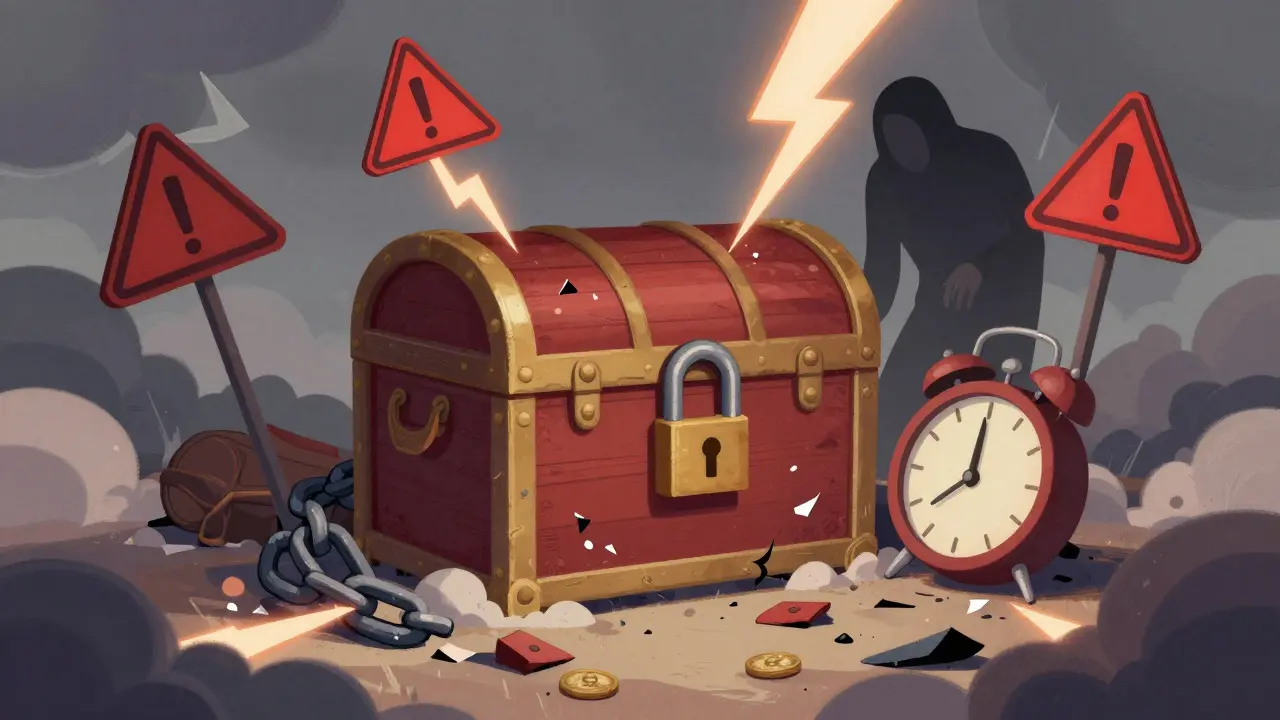
Red Flags to Watch For
Since independent reviews are scarce, you need to act like a detective. Here are the specific warning signs associated with lesser-known or potentially fraudulent exchanges:
- No Regulatory License: Check if Intercore holds a license from a recognized body like the SEC (US), FCA (UK), or ASIC (Australia). Many small exchanges operate offshore to avoid these rules, leaving users without legal recourse.
- Vague Team Information: Legitimate exchanges usually have a visible leadership team with verifiable backgrounds. If the "About Us" page only shows stock photos or generic names, proceed with caution.
- Unrealistic Promises: Does the site promise guaranteed returns or unusually high staking rewards? If it sounds too good to be true, it usually is.
- Poor Community Sentiment: Search Reddit, Twitter (X), and Trustpilot. Are people complaining about withdrawals being stuck for weeks? Is customer support unresponsive? Negative community feedback is often the first sign of trouble before a full-blown collapse.
If Intercore triggers any of these flags, the risk profile jumps significantly. You aren't just trusting a software interface; you are trusting a custodian with your private keys or fiat currency.
Comparing Intercore to Established Platforms
To understand where Intercore fits (or doesn't fit), let's compare it to the industry standards. The table below highlights the differences between a typical unknown exchange and a top-tier, regulated platform.
| Feature | Intercore (Reported Status) | Regulated Exchanges (e.g., Coinbase, Kraken) |
|---|---|---|
| Third-Party Reviews | Limited or absent | Extensive coverage by major financial outlets |
| Regulatory Oversight | Unclear or Offshore | Licensed in multiple jurisdictions |
| Trading Volume Transparency | Hard to verify independently | Publicly tracked via blockchain analytics |
| User Protection Funds | Rarely disclosed | Often insured or segregated accounts |
| Withdrawal Speeds | Inconsistent reports | Generally fast and reliable |
Notice the gap in transparency. When you use a major exchange, you benefit from years of accumulated trust and legal frameworks. With a newer or less transparent platform, you are taking on all that risk yourself.
How to Verify Any Exchange Yourself
If you still want to try Intercore, don't go in blind. Use this checklist to perform your own audit before sending a single dollar.
- Check the Domain Age: Use a WHOIS lookup tool. If the website was registered three months ago, be extra careful. Scams often use fresh domains to avoid past baggage.
- Test Customer Support: Send a ticket asking a complex question (e.g., "What happens if I lose my 2FA device?"). Wait 48 hours. If they don't reply, or give a copy-paste answer, run away.
- Look for Proof of Reserves: Reputable exchanges publish monthly proofs of reserves, showing they hold enough crypto to cover all user balances. If Intercore doesn't do this, ask why.
- Start Small: Deposit only an amount you are willing to lose. Test a small buy, then a small sell, then a withdrawal. If the withdrawal takes more than 24 hours, consider your money stuck.
This process takes time, but it saves potential heartache. Remember, convenience should never come at the cost of security in the crypto space.
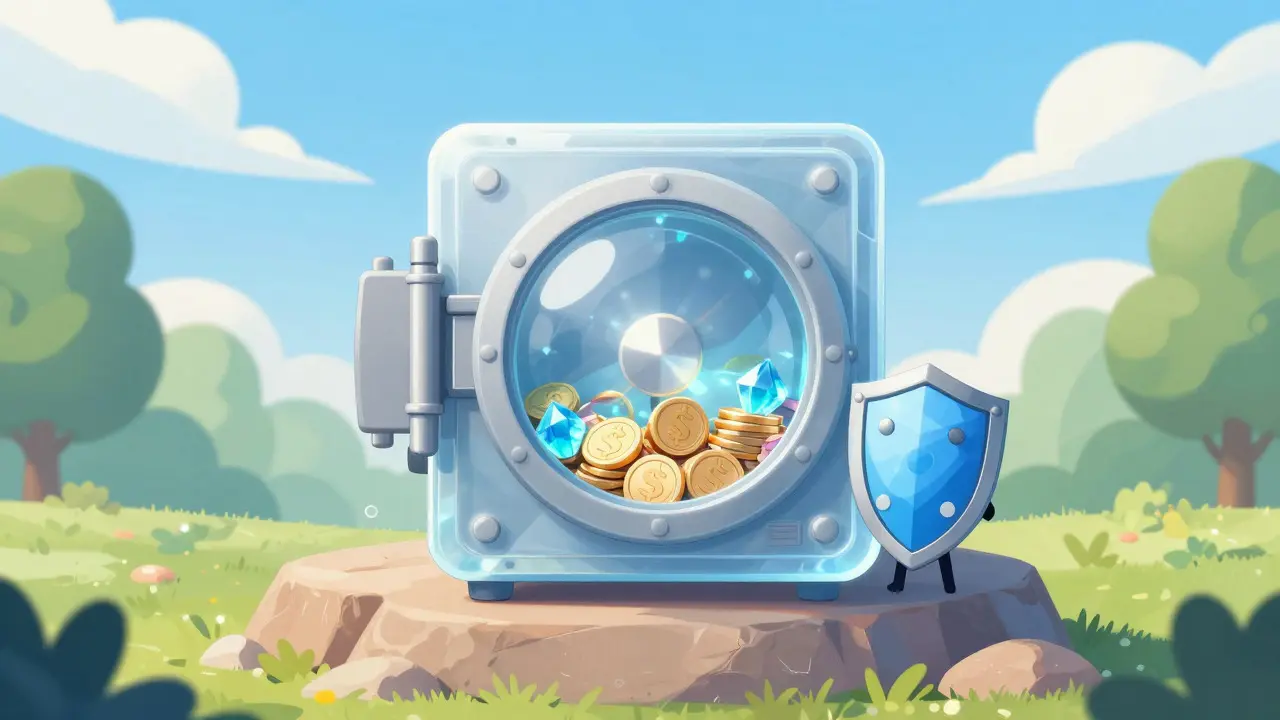
Better Alternatives for Most Users
If your goal is simply to trade Bitcoin, Ethereum, or stablecoins safely, you likely don't need a niche platform. Stick to exchanges with a proven track record. These platforms offer better liquidity, stronger security, and clearer legal standing.
- Coinbase: Best for beginners, fully regulated in the US, easy interface.
- Kraken: Strong security reputation, good for intermediate traders, supports many altcoins.
- Bybit: Popular globally for derivatives and lower fees, though regulatory status varies by region.
- Gemini: Backed by the Winklevoss twins, strong compliance focus, good for institutional-grade security.
These names appear in every serious financial report because they deliver consistent performance. Unless Intercore offers a unique feature you absolutely cannot find elsewhere (like a specific obscure token listing), the safer bet is usually the established player.
Frequently Asked Questions
Is Intercore crypto exchange a scam?
It is not officially classified as a scam by major regulators, but it lacks the transparency and third-party verification of major exchanges. The lack of prominent reviews suggests it is either very new or operates in a grey area. Treat it as high-risk until proven otherwise.
Why can't I find reviews for Intercore?
Major financial sites only review exchanges that meet certain criteria for volume, regulation, and longevity. If Intercore is missing from these lists, it likely hasn't met those thresholds yet, or it operates primarily in regions with less strict reporting requirements.
What should I do if my funds are stuck on Intercore?
First, contact their support via email and live chat, keeping records of all interactions. If they are unresponsive, check community forums for similar complaints. As a last resort, file a complaint with your local consumer protection agency or financial regulator, though recovery is difficult without clear jurisdiction.
Are there safer alternatives to Intercore?
Yes. For most users, sticking to regulated exchanges like Coinbase, Kraken, or Gemini is safer. They have insurance policies, regular audits, and legal teams that can handle disputes. The fee difference is rarely worth the added risk of an unknown platform.
Does Intercore hold a license?
As of 2026, there is no widely publicized evidence of Intercore holding major licenses from the US SEC, UK FCA, or EU MiCA framework. Always verify current licensing status directly on their official website and cross-reference with government registries before depositing funds.