

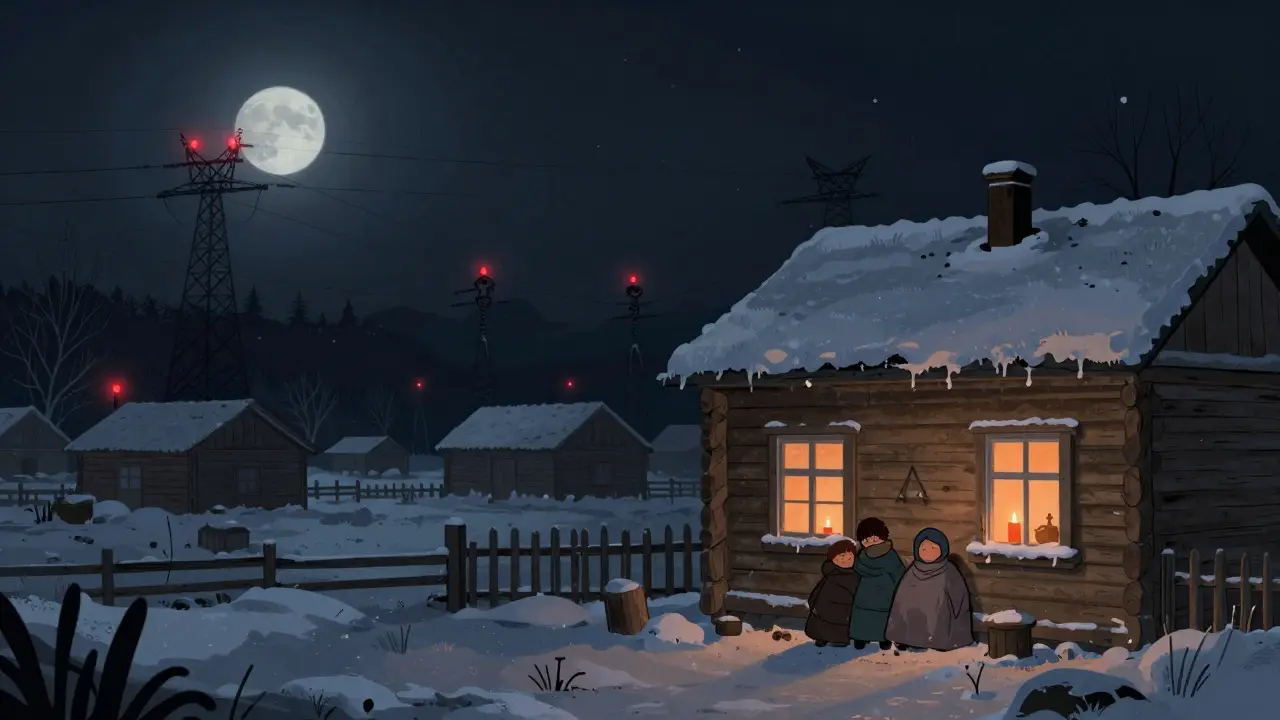
Imagine flipping a switch and nothing happens. No lights, no internet, just silence. For many households in Kazakhstan, this wasn't a hypothetical scenario during winter-it was reality. The country’s push to regulate cryptocurrency mining didn't start with moral panic or financial fear. It started because the lights were going out. When your national power grid is operating at breaking point, you don't have the luxury of ignoring who is draining it.
The connection between energy grid instability and digital asset extraction is direct and brutal. Kazakhstan once hosted a significant portion of the world's Bitcoin miners because electricity was cheap. But "cheap" came with a hidden cost: an aging infrastructure that couldn't handle the load. By 2024, the situation had deteriorated to the point where the government had no choice but to intervene. This isn't just about banning crypto; it's about keeping the country powered.
The State of the National Power Grid
To understand why the ban happened, you have to look at the wires. The backbone of Kazakhstan’s electricity distribution is the Unified Power System (UPS), which is overseen by KEGOC. As of early 2024, this network included 220 active power plants. On paper, the numbers looked decent: a total installed capacity of roughly 24,641 MW, with available capacity sitting at around 20,428 MW. Even renewable sources were contributing, adding about 2.8 GW from 144 facilities.
But capacity on paper doesn't mean reliability in practice. The real problem lies in the physical condition of the equipment. Reports from 2024 revealed that over one-third of the country's power plants showed wear and tear levels between 70% and 90%. In some regional grids, deterioration hit catastrophic levels of up to 97%. Think about that for a second. Nearly all the infrastructure in certain areas is effectively dead weight, held together by hope and maintenance budgets that aren't there.
This decay leads to frequent accidents and service interruptions. You can see the strain in the data on technological violations. These incidents jumped from 18,609 cases in 2022 to over 28,000 in 2023. While the number dropped slightly to 18,263 in the first eight months of 2024, the trend line tells a story of a system under immense stress. Zhakyp Khairushev, managing director of the Atameken National Chamber of Entrepreneurs, pointed out a stark divide: cities of national importance kept losses below 9%, which is considered normal. Regional networks, however, faced significantly worse conditions, leaving rural populations vulnerable to blackouts.
Where Does the Electricity Go? Transmission Losses
If the plants are old, the lines carrying the power are leaking it away. Electricity transmission losses are one of the most pressing technical challenges in Kazakhstan. In developed economies, acceptable loss rates usually cap out between 10% and 12%. In parts of Kazakhstan, those numbers double.
In 2024, technical losses in regional power grids averaged around 17.42% at their worst. To put this in perspective, Khairushev noted his experience in Oral, where losses reached 18%. That means for every five kilowatt-hours generated, one vanished before it reached a home or business. It simply disappeared into the heat of inefficient cables. While some areas improved-dropping to 13.43% in 2023-other regions still saw losses as high as 17.44%. This inefficiency wastes money and reduces the available supply for essential users, creating a perfect storm when demand spikes.
| Metric | Kazakhstan (Regional Worst Case) | Developed Economy Standard |
|---|---|---|
| Transmission Losses | Up to 17.44% | 10-12% |
| Infrastructure Wear | 70-97% in key areas | <30% typically |
| Tech Violations (Annual Peak) | 28,000+ (2023) | Varies, generally lower relative to grid size |
The Crypto Mining Boom and Bust
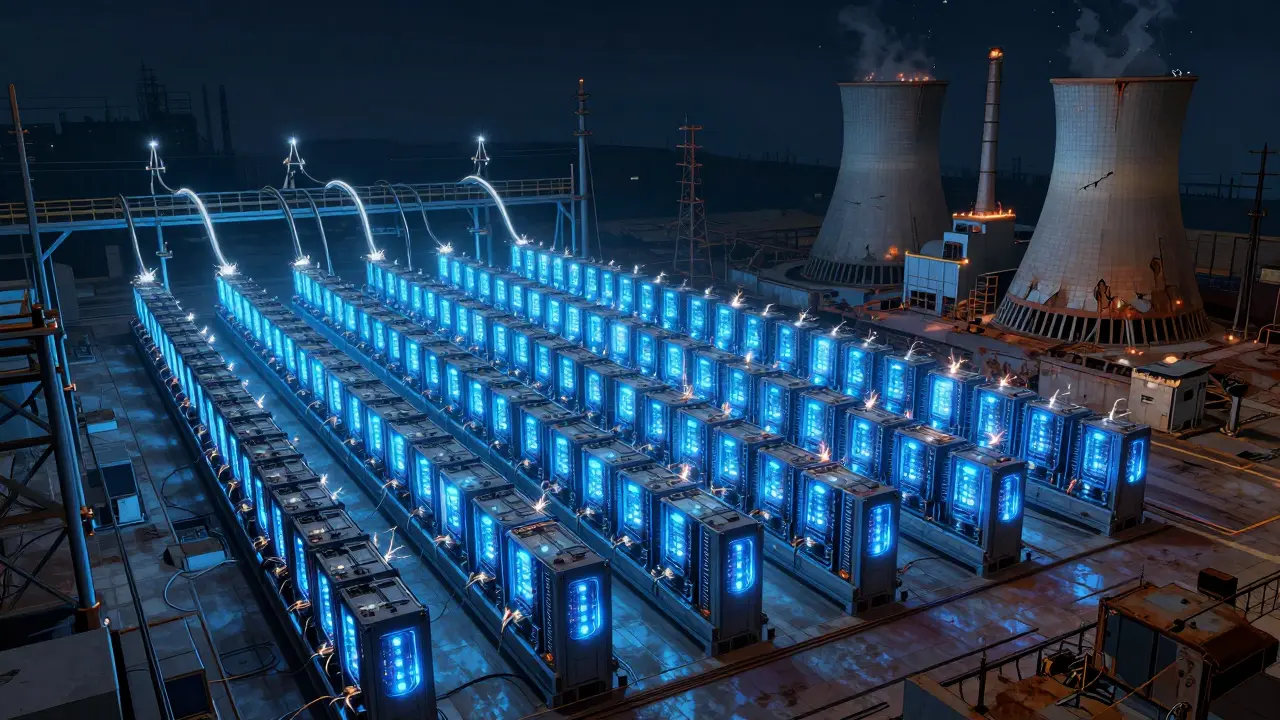
So where does cryptocurrency fit into this mess? For years, Kazakhstan became a haven for Bitcoin miners. Why? Because electricity was subsidized and relatively cheap compared to China or the US. Miners flocked to the region, setting up warehouses filled with ASIC machines that hummed day and night, consuming massive amounts of power.
At its peak, crypto mining accounted for a substantial chunk of national electricity consumption-estimates suggested up to 10-15% of the total load in some regions. When winter hits, heating demands skyrocket. If you add industrial loads and then layer on thousands of crypto rigs running 24/7, the grid buckles. The result? Rolling blackouts in residential areas while mining farms stayed online. This created public outrage. People were freezing in their homes while algorithms mined digital coins.
The government realized it couldn't sustain this imbalance. The "ban" wasn't a single overnight decree but a series of escalating restrictions. First, they stopped issuing new licenses for mining facilities. Then, they revoked existing ones. Finally, they imposed strict quotas and higher tariffs specifically for mining operations. The goal was clear: force the industry to shrink so the grid could stabilize. By prioritizing residential and critical industrial needs over speculative digital assets, the state aimed to prevent total systemic failure.
Renewables: A Slow Transition
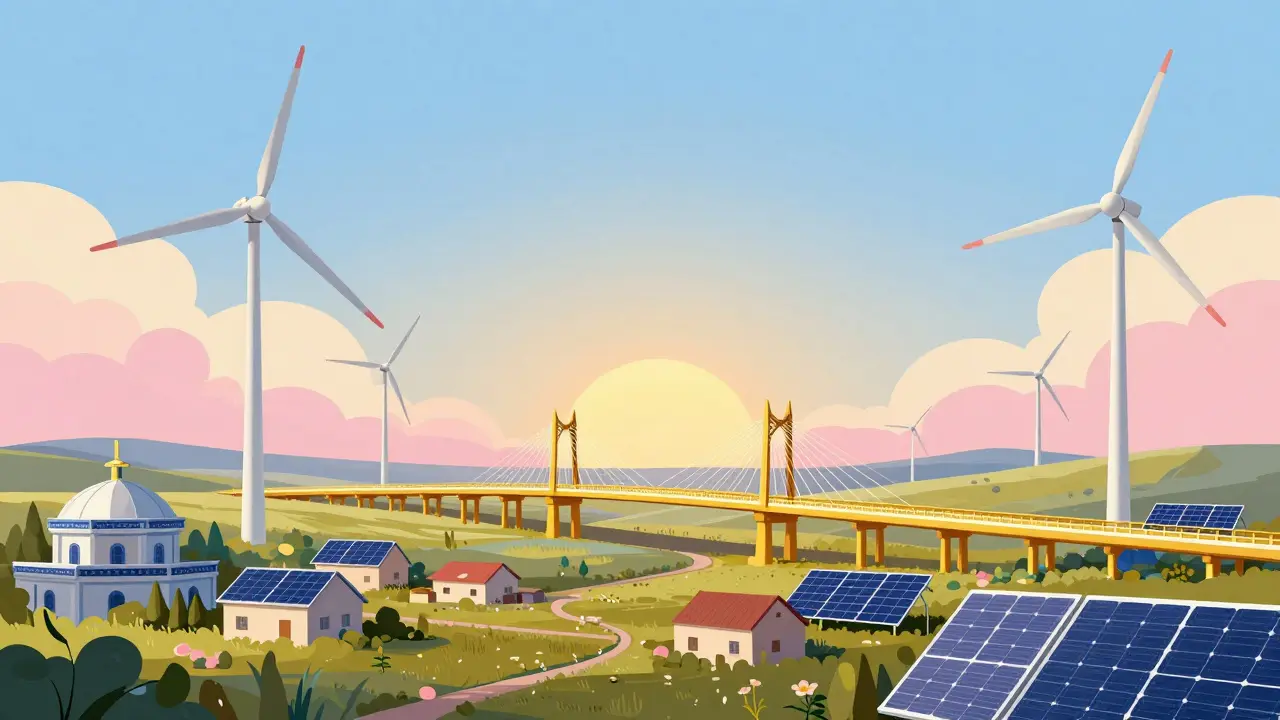
You might wonder, why not just build more power plants? Or switch to green energy? Kazakhstan is trying, but the transition is slow. As of recent data, renewable energy makes up only about 6% of total electricity generation. The government has ambitious plans, including building three major wind farms, each with one gigawatt capacity. There is also a projection that solar PV and wind will surpass hydropower by 2024, potentially overtaking coal-fired generation by 2025.
However, integrating renewables isn't plug-and-play. Current constraints include weak transmission capacity and limited system flexibility. Coal-fired plants, which dominate the mix, are inflexible-they can't quickly ramp up or down to accommodate the intermittent nature of wind and solar. Without a robust balancing market or storage solutions, adding more renewables doesn't immediately solve the stability issue. Investment commitments total more than $2.6 billion, which is impressive, but it lags behind neighbors like Uzbekistan, which secured $6 billion. This gap slows down the modernization needed to support both growing demand and efficient grid management.
Regulatory Shifts and Future Outlook
The regulatory landscape is shifting rapidly. The Ministry of Energy oversees these changes under the Law 'On Power Sector'. One major pain point for consumers is the tariff structure. Due to strain on the single buyer in the energy market, tariffs increased by 50% by April 2025 compared to the previous year. This hike affects everyone, but it disproportionately impacts low-income households already struggling with outdated regional grids.
Looking ahead, projections indicate that Kazakhstan may face electricity shortages by 2030 unless accelerated renewable deployment and stronger institutional frameworks are implemented. Projects like the North-South HVDC Line, planned between 2024 and 2029, aim to increase transmission capacity by 2,000 MW. This infrastructure upgrade is crucial for connecting different zones and improving overall resilience. However, until these projects come online, the tension between energy demand and supply remains high.
Distributed generation offers another path forward. Legislative changes have made regulations favorable for net consumers, allowing small businesses and households to generate their own power. Yet, adoption remains low. Why? Upfront costs. Most families and small enterprises cannot afford the initial investment in solar panels or batteries. Without financial mechanisms to bridge this gap, the potential of distributed energy remains untapped, leaving the central grid to bear the full burden.
What This Means for Investors and Locals
If you are looking at Kazakhstan as a place to mine crypto, the window has closed. The era of cheap, unlimited power for digital assets is over. The government has made it clear: human needs come first. For local residents, the focus is on stabilizing the grid and reducing losses. Modernizing the backbone through KEGOC’s development plan is the priority.
For international investors, the lesson is clear. Infrastructure risk is real. Before committing capital to energy-intensive industries in emerging markets, you need to assess the physical health of the grid, not just the price per kilowatt-hour. A cheap rate means nothing if the power cuts out every few hours. Kazakhstan’s experience serves as a cautionary tale for other resource-rich nations considering hosting large-scale crypto operations without upgrading their underlying infrastructure first.
Did Kazakhstan completely ban cryptocurrency mining?
While not an absolute criminal ban on all activity, the government effectively halted the industry by revoking licenses, stopping new permits, and imposing restrictive quotas and high tariffs. The practical result is that large-scale commercial mining is no longer viable or permitted in most regions.
Why did Kazakhstan restrict crypto mining?
The primary reason was energy grid instability. Crypto mining consumed a significant portion of the national electricity supply, leading to rolling blackouts for residential users, especially during winter peaks. The government prioritized household and essential industrial power needs over crypto operations.
How bad is Kazakhstan's power infrastructure?
The infrastructure is severely aged. Over one-third of power plants show 70-90% wear and tear, with some regional grids reaching 97% deterioration. Technical transmission losses in some areas exceed 17%, far above the global standard of 10-12%, indicating significant inefficiency and waste.
Is renewable energy solving the power shortage?
Not yet. Renewables currently account for only about 6% of generation. While investments are growing ($2.6 billion committed), integration is hindered by inflexible coal plants and weak transmission networks. Significant upgrades are needed before renewables can fully offset the loss of mining load or meet future demand.
What is KEGOC's role in this crisis?
KEGOC is the national grid operator responsible for the Unified Power System (UPS). They manage the transmission network and are leading efforts to modernize infrastructure, such as the North-South HVDC Line project, to improve capacity and reduce losses across the country.