

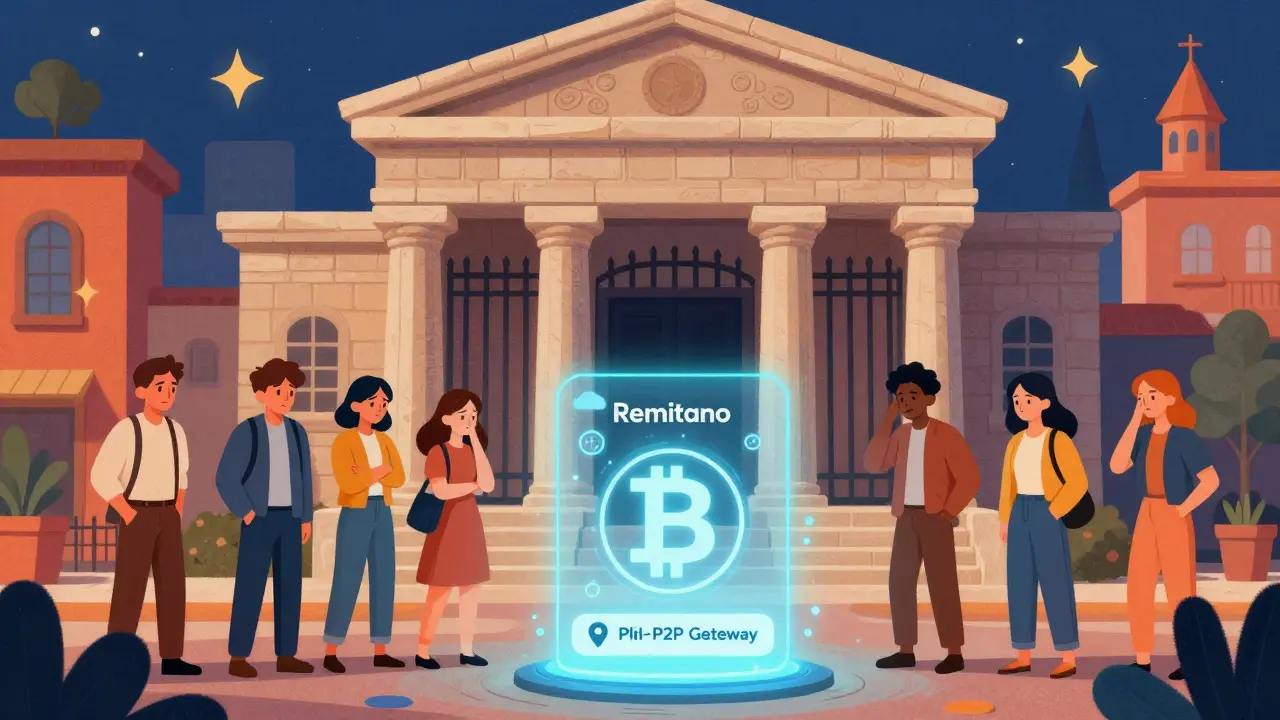
If you're looking for a place to trade 500 different altcoins, you're in the wrong place. Remitano isn't a typical centralized exchange with a flashing order book. Instead, it's more like a marketplace-think eBay, but for crypto. You find a seller, agree on a price, and the platform ensures neither party gets scammed. But is it still a viable option in 2026, especially after some security hiccups?
The Core Mechanics: How the P2P Model Works
Unlike a standard exchange, Remitano doesn't act as the middleman that sets the price. Instead, it facilitates a direct trade between two people. The magic happens via their Escrow Service is a security mechanism that holds the seller's cryptocurrency in a secure vault until the buyer confirms payment . This prevents the "I sent the money, but they didn't send the coins" nightmare.
The process is straightforward: a seller posts an ad offering a specific amount of crypto at a specific price. You, the buyer, select that ad and pay the seller using a method you both agree on-be it a bank transfer, mobile money, or a credit card. Once the seller confirms they've received your cash, Remitano releases the coins from escrow to your wallet. If there's a fight over whether the money was sent, the platform's dispute resolution team steps in to play referee.
Supported Assets and Technical Specs
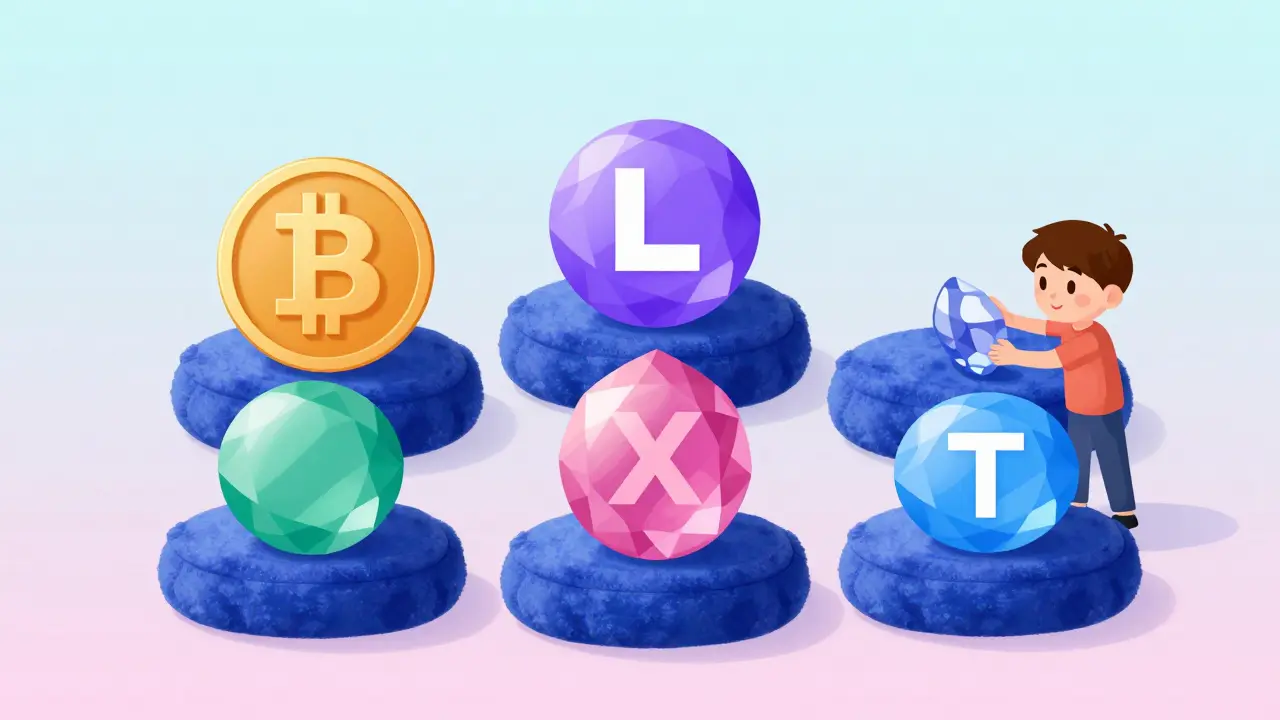
Let's be honest: the selection is tiny. Remitano only supports five major cryptocurrencies. For most traders, this is a dealbreaker, but for those who only care about the "blue chips," it keeps the interface clean and simple. They also have their own native blockchain called RENEC, which is designed to make transactions on the platform more efficient .
| Feature | Details / Value |
|---|---|
| Supported Coins | BTC, ETH, LTC, XRP, USDT |
| Minimum Fiat Deposit | $50 |
| Trading Fees | Approximately 0.25% for makers and takers |
| Operating Reach | Over 50 countries (Strong in Africa, Asia, LATAM) |
| Payment Methods | ACH, Credit/Debit, Apple Pay, Google Pay, SEPA, Wire |

The Security Reality Check
When talking about a Remitano review, we have to address the elephant in the room: the 2023 hack. For years, the platform boasted a spotless record, but that changed. While they use standard security tools and have strict KYC (Know Your Customer) and AML (Anti-Money Laundering) rules, the breach was a wake-up call.
The bigger concern for pro traders is the lack of Proof of Reserves, which is a public verification process that proves an exchange actually holds the assets it claims to have for its users . Without this, you're essentially trusting the company's word that your coins are there. If you're uncomfortable with that, you might prefer a more transparent, audited exchange.
Who is this Platform Actually For?
Remitano isn't for everyone. If you're a day trader using leverage and complex indicators, you'll be bored within five minutes. However, for people in emerging markets, it's a lifeline. In countries where the government restricts access to USD or where banks block crypto-related transfers, Remitano's ability to support local payment methods and mobile money is a huge advantage.
It's also a great entry point for beginners. The "Crypto made simple for everyone" vibe is real. You don't need a degree in computer science to navigate the ads and start your first trade. The barrier to entry is low, and the learning curve is shallow.
Pros and Cons: The Trade-off
Everything is a trade-off. By choosing a P2P model over a centralized order book, Remitano gives you more control over the price and payment method, but you lose the speed of an instant trade. You have to wait for the other human to confirm the payment.
- The Good: High trust in emerging markets, excellent escrow protection, very simple onboarding, and broad support for local currencies.
- The Bad: Extremely limited coin selection, no Proof of Reserves, and a history of at least one major security breach.
Is Remitano safe to use?
Generally, yes, because of its strong escrow system which protects you from direct scams. However, keep in mind they suffered a hack in 2023 and do not provide Proof of Reserves, so it is wise not to keep your entire life savings on the platform.
What are the fees on Remitano?
While some sources claim 0% fees, most actual user data suggests a basic fee of around 0.25% for both makers and takers. This is relatively competitive but not the cheapest in the industry.
Which cryptocurrencies can I trade on Remitano?
You are limited to five assets: Bitcoin (BTC), Ethereum (ETH), Litecoin (LTC), Ripple (XRP), and Tether (USDT).
How does the P2P escrow system work?
When you start a trade, the seller's crypto is locked by Remitano. Once the buyer sends the payment and the seller confirms receipt, Remitano releases the crypto to the buyer. If a conflict arises, the platform's support team reviews the evidence to decide who gets the funds.
Can I use Remitano without ID verification?
Account creation is simple and doesn't always require immediate ID verification, but it is strongly recommended for security and to avoid limitations on your account.
Final Verdict and Next Steps
If you live in a region where banking is a nightmare and you just want a safe way to get some Bitcoin or Tether, Remitano is a solid tool. The escrow system effectively kills the risk of "trust-based" trading with strangers. But if you're a diversified investor or a security purist, the lack of a wide coin selection and Proof of Reserves will likely drive you toward a larger exchange like Binance or Kraken.
If you're starting today:
- Sign up and complete the basic KYC to avoid account freezes.
- Browse the P2P marketplace to find a seller with a high reputation rating.
- Start with a small trade to get a feel for the escrow release time in your specific region.
- Move your funds to a private hardware wallet once your trade is complete to minimize exchange risk.
Jan Conrad
April 28, 2026 AT 00:32The escrow system is definitely the strongest selling point here. For anyone in a region with restrictive banking, P2P is often the only viable gateway to get into BTC without triggering a fraud alert at their local branch.
Aaron Zeiler
April 28, 2026 AT 19:56honestly the 0.25% fee is okay but you gotta factor in the spread since it is p2p. usually sellers mark up the price anyway so the fee is the least of your worries
Carli Bates
April 30, 2026 AT 04:29oh look another platform where we just trust the company word that the money exists. truly a revolutionary concept in the world of decentralization lol
Rushell Perry
May 1, 2026 AT 15:22just a tip for newcomers keep the trades small until you find a seller you trust it makes the whole process way less stressful
its me
May 1, 2026 AT 18:57It is fascinating how we prioritize convenience over the fundamental ethics of transparency. If a platform refuses Proof of Reserves, they are essentially asking you to gamble on their integrity, which is a precarious foundation for any financial endeavor.
Gabrielle Danis
May 2, 2026 AT 18:42The lack of Proof of Reserves is a significant red flag for institutional-grade security. While the escrow protects the individual trade, it does not protect the user from systemic insolvency of the exchange itself.
Ipsita Seal
May 3, 2026 AT 23:19too few coins to care about.
edie rosa
May 4, 2026 AT 00:40Imagine actually trusting a place that got hacked in 2023. Some of you are just begging to lose your money and it's honestly pathetic how people ignore the obvious warnings just for a 'simple' interface.
Michael Repak
May 4, 2026 AT 13:38I think it is important to remember that not everyone has access to the same tools!!! For some, this is a literal lifeline, and we should support that access!!!
April D Thompson
May 6, 2026 AT 01:47There is something almost poetic about the struggle of the emerging market user! They are fighting against the monolithic banks just to own a piece of the digital future! It is a chaotic dance of trust and risk, and Remitano is just the stage where it all happens!
Kara Spadone
May 7, 2026 AT 03:25The energy here is so skewed 🙄 if you aren't using a cold wallet you are just playing house with your money 💅
Arun Prabhu
May 7, 2026 AT 04:54The sheer audacity of calling a five-coin catalog an 'overview' is laughable. It is a digital wasteland of limited choice, catering to the most basic of appetites. One would think that in 2026, the bare minimum would be a slightly more robust selection than these prehistoric blue chips.
Jehan ZA
May 7, 2026 AT 08:46I find the escrow mechanism to be quite prudent. It provides a necessary layer of security for those of us who prioritize stability over the rapid execution of trades.
debra hoskins
May 7, 2026 AT 17:19Everyone is acting like this is some secret goldmine. It is just a clunky middleman that happens to work in places where banks are actually competent enough to block everything.
Amanda Macy
May 9, 2026 AT 14:10The trade-off between speed and control is the central theme here. In a world of instant gratification, the P2P model forces a return to human interaction, however flawed that may be.
Chloe Fletcher
May 9, 2026 AT 20:43Just be sure to double check the seller ratings before you hit buy! 🌟 Safety first always! 🚀
Mitali Rajvanshi
May 10, 2026 AT 03:25I agree that the onboarding is very friendly for beginners.
Ralph Espinosa
May 10, 2026 AT 18:27I totally agree with the point about moving funds to a hardware wallet!!! It is the only way to be truly secure!!! Please don't leave your coins on any exchange for too long!!!
Tony Phan
May 11, 2026 AT 06:45My liquidity is too high for this garbage. The slippage on these P2P ads is insane when you are moving real volume. Total joke for anyone doing actual whale moves.
Veronica Bago
May 12, 2026 AT 01:58It seems like a nice option for people who just want the basics without all the confusing charts.
Harvey Alford
May 13, 2026 AT 05:27Who cares about PoR? Just trade.
VIVEK SINGH
May 13, 2026 AT 22:38Oh, how charming! We are all just pretending that a platform with a history of breaches is 'safe' because it has a shiny escrow button. The irony of calling this a 'lifeline' when it's actually just a different kind of noose is just delightful.
Lloyd I
May 15, 2026 AT 02:36Let's keep the conversation positive and focus on how these tools help people get financial freedom, even if they aren't perfect!
Robert Smith
May 15, 2026 AT 09:34Keep it simple ✌️