


Most people assume that if a crypto project isn't on the front page of CoinMarketCap, it's either dead or a scam. But sometimes, niche projects serve specific ecosystems that mainstream traders ignore. That’s where Swappi is an automated market maker (AMM) based decentralized exchange deployed on the Conflux Network. It was the first decentralized exchange to launch on Conflux eSpace, an EVM-compatible environment. If you are holding CFX tokens or exploring the Conflux ecosystem, you might have stumbled upon Swappi. The big question is simple: is this platform safe enough for your funds, and does it offer any real advantage over giants like Uniswap?
I’ve spent time digging into the data, the security audits, and the actual user experience of Swappi. The short answer? It works, but it comes with significant caveats regarding liquidity and market depth. This review breaks down exactly what Swappi offers, who it is actually built for, and whether you should risk your capital there in 2026.
What Exactly Is Swappi?
To understand Swappi, you first need to understand its home base. Swappi operates entirely on the Conflux Network, specifically within eSpace, an Ethereum Virtual Machine (EVM)-compatible smart contract execution environment. Think of eSpace as a bridge that allows developers to deploy Ethereum-style apps on Conflux. Because Conflux uses a unique consensus mechanism called GHOSTDAG, it processes transactions faster and cheaper than Ethereum mainnet.
Swappi leverages this infrastructure to provide three core services:
- Swap: Trading tokens instantly via liquidity pools.
- Stake & Earn: Providing liquidity to earn trading fees and yield farming rewards.
- Win: A lottery system where users buy tickets with tokens to win prizes.
The platform’s native token is PPI, which serves as the governance and reward token for the ecosystem. Unlike centralized exchanges where you hand over your private keys, Swappi is non-custodial. You connect your wallet, approve the transaction, and retain full ownership of your assets at all times.
Security and Trust: Is Your Money Safe?
In the world of DeFi, security isn't a feature; it's the foundation. So, how does Swappi stack up?
Swappi has undergone a security audit by CertiK, a leading blockchain security firm known for auditing major protocols. While the full technical report details aren't always publicized in marketing materials, the fact that they passed CertiK’s rigorous checks is a strong positive signal. Additionally, Swappi employs several industry-standard security practices:
- Open Source Code: Their smart contracts are publicly visible, allowing independent developers to inspect the code for vulnerabilities.
- Contract Verification: All contracts are verified on Conflux Scan, ensuring transparency.
- Multisig Implementation: Administrative actions require multiple signatures, reducing the risk of a single point of failure or insider theft.
- Timelock Deployments: Changes to the protocol are delayed, giving users time to react if something looks suspicious.
However, "audited" doesn't mean "unhackable." New vulnerabilities can emerge, and the smaller the team, the higher the risk of human error. Always start small when testing any new DeFi platform.
Fees and Performance: The Cost of Trading
One of the main reasons users flock to niche DEXs like Swappi is cost. On Ethereum, gas fees can eat up 10% or more of a small trade. On Swappi, the story is different.
Because Swappi runs on Conflux eSpace, transaction fees are negligible-often fractions of a cent. This makes it highly efficient for micro-trades or frequent swapping, which would be prohibitively expensive on Uniswap or SushiSwap during peak network congestion.
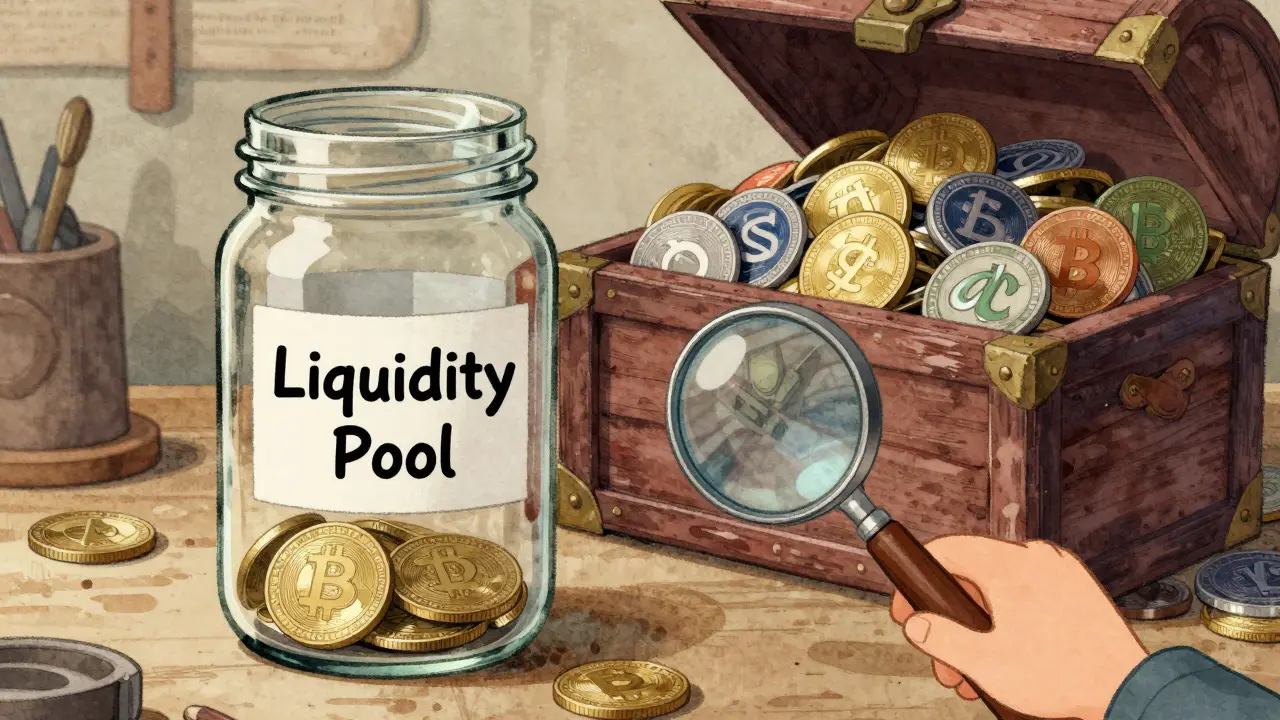
However, low gas fees don't mean low slippage. Slippage occurs when there isn't enough liquidity in a pool to fill your order at the expected price. Here lies Swappi’s biggest weakness. With a total value locked (TVL) in the broader Conflux DeFi ecosystem hovering around $18 million (as of late 2023 data points), Swappi’s individual liquidity pools are shallow compared to major competitors.
If you try to swap a large amount of CFX for USDT, you might experience significant price impact. For small amounts, though, the efficiency is undeniable.
User Experience and Interface
Getting started with Swappi is straightforward if you already use DeFi. There is no account creation, no KYC (Know Your Customer) verification, and no email sign-up. You simply visit swappi.io and connect a compatible wallet like MetaMask or Atomic Wallet.
The interface follows standard AMM design patterns. You select the token you want to sell, choose the token you want to buy, and adjust the slippage tolerance if necessary. The "Stake & Earn" section is clearly labeled, showing annual percentage yields (APY) for various liquidity pairs. The "Win" lottery feature adds a gamified layer that some users find engaging, though it’s not essential for trading.
For beginners, the learning curve exists not in the interface, but in the preparation. You need to acquire CFX or other supported tokens from a centralized exchange (like KuCoin or Phemex) and transfer them to a Web3 wallet before you can interact with Swappi. This multi-step process can be confusing for newcomers who are used to one-click buying on platforms like Coinbase.
Swappi vs. Major Competitors
How does Swappi compare to the heavyweights? Let’s look at the numbers.
| Feature | Swappi | Uniswap (V3) | PancakeSwap |
|---|---|---|---|
| Network | Conflux eSpace | Ethereum | BNB Chain |
| Avg. Gas Fee | ~$0.01 | $5 - $50+ | ~$0.10 - $1.00 |
| Liquidity Depth | Low | Very High | High |
| Native Token | PPI | UNI | CAKE |
| Best For | Niche Conflux users, low-cost micro-trades | Large trades, maximum asset selection | Balanced fees and liquidity |
As you can see, Swappi wins on cost but loses significantly on liquidity and asset variety. Uniswap handles billions in daily volume, while Swappi’s 24-hour volume has historically been in the thousands. This means Swappi is best suited for users who are already invested in the Conflux ecosystem and need a reliable way to move assets within it without paying high Ethereum gas fees.
The PPI Token: Investment or Utility?
Swappi’s native token, PPI, plays a crucial role in the ecosystem. It is used for:
- Governance: Holders can vote on protocol upgrades.
- Rewards: Liquidity providers earn PPI alongside trading fees.
- Lottery Tickets: Users spend PPI to enter the "Win" lottery.
From a market perspective, PPI has a relatively small circulating supply compared to its total issuance. As of recent data, only about 0.95% of the total 488 million PPI tokens were in circulation, with a market cap under $1 million. This indicates a high-risk, high-reward profile. If the Conflux ecosystem grows, PPI could appreciate. However, if adoption stalls, the limited demand could keep prices suppressed. Always do your own research before buying governance tokens of small-cap DEXs.
Who Should Use Swappi?
Swappi is not for everyone. Here is a quick decision tree:
- Use Swappi if: You hold CFX tokens, want to trade within the Conflux ecosystem, prioritize ultra-low fees, and are comfortable with lower liquidity risks.
- Avoid Swappi if: You are looking to trade large volumes, need access to thousands of altcoins, or prefer the deep liquidity and established trust of Ethereum-based DEXs.
Final Verdict
Swappi fills a specific niche as the pioneer DEX on Conflux eSpace. It delivers on its promise of low fees and decentralization. The security measures are robust, backed by CertiK audits and transparent coding practices. However, its small market cap and limited liquidity mean it cannot compete with major players like Uniswap or PancakeSwap for general-purpose trading.
If you are a Conflux enthusiast, Swappi is likely your best option for swapping and earning yields within that ecosystem. For everyone else, it remains a curious footnote in the broader DeFi landscape. Proceed with caution, start with small amounts, and never invest more than you can afford to lose in any experimental DeFi protocol.
Is Swappi a centralized or decentralized exchange?
Swappi is a fully decentralized exchange (DEX). It operates using an Automated Market Maker (AMM) model on the Conflux Network, meaning users retain custody of their funds via their own wallets and trades are executed through smart contracts without intermediaries.
What is the minimum amount to trade on Swappi?
There is no official minimum trade amount set by Swappi. However, due to network gas fees (though very low on Conflux) and potential slippage in thin liquidity pools, it is practical to trade amounts large enough to make the transaction worthwhile, typically starting from a few dollars worth of tokens.
Which wallets are compatible with Swappi?
Since Swappi operates on Conflux eSpace (EVM-compatible), it supports most standard Web3 wallets such as MetaMask, Trust Wallet, and Atomic Wallet. You may need to configure your wallet to recognize the Conflux eSpace network settings to interact properly.
Has Swappi been audited for security?
Yes, Swappi has undergone a security audit by CertiK, a reputable blockchain security firm. Additionally, the platform uses multisig wallets and timelock mechanisms for contract updates to enhance security.
Can I earn passive income on Swappi?
Yes, through the "Stake & Earn" feature. By providing liquidity to trading pairs, you earn a portion of the trading fees. Additionally, liquidity providers often receive extra rewards in the form of PPI tokens through yield farming incentives.