


You might have seen the ticker ARTFI popping up on your exchange app or in a crypto news feed. It promises something that sounds almost too good to be true: owning a piece of a million-dollar painting for the price of a lunch. But before you buy, you need to know exactly what this coin does, who backs it, and whether the hype matches the reality. ARTFI isn't just another meme coin; it sits at the intersection of high-end fine art and blockchain technology. Here is everything you need to know about the project, its mechanics, and its potential.
The Core Concept: Democratizing Fine Art
The traditional fine art market is notoriously exclusive. To own a blue-chip artwork, you typically need millions of dollars, access to private auctions, and storage solutions that cost thousands per year. The global fine art market is valued at approximately $1.7 trillion, yet most people are locked out of it. ARTFI aims to break down these walls by using blockchain technology to fractionalize high-value artworks.
Here is how it works in plain English. Instead of one person buying an entire Picasso, the platform takes a verified, high-value artwork and turns it into a collection of Non-Fungible Tokens (NFTs). Each NFT represents a fractional share of that physical piece. When you buy ARTFI tokens associated with a specific artwork, you are essentially buying a tiny slice of that asset. This allows you to diversify your portfolio with tangible assets without needing a warehouse or a fortune.
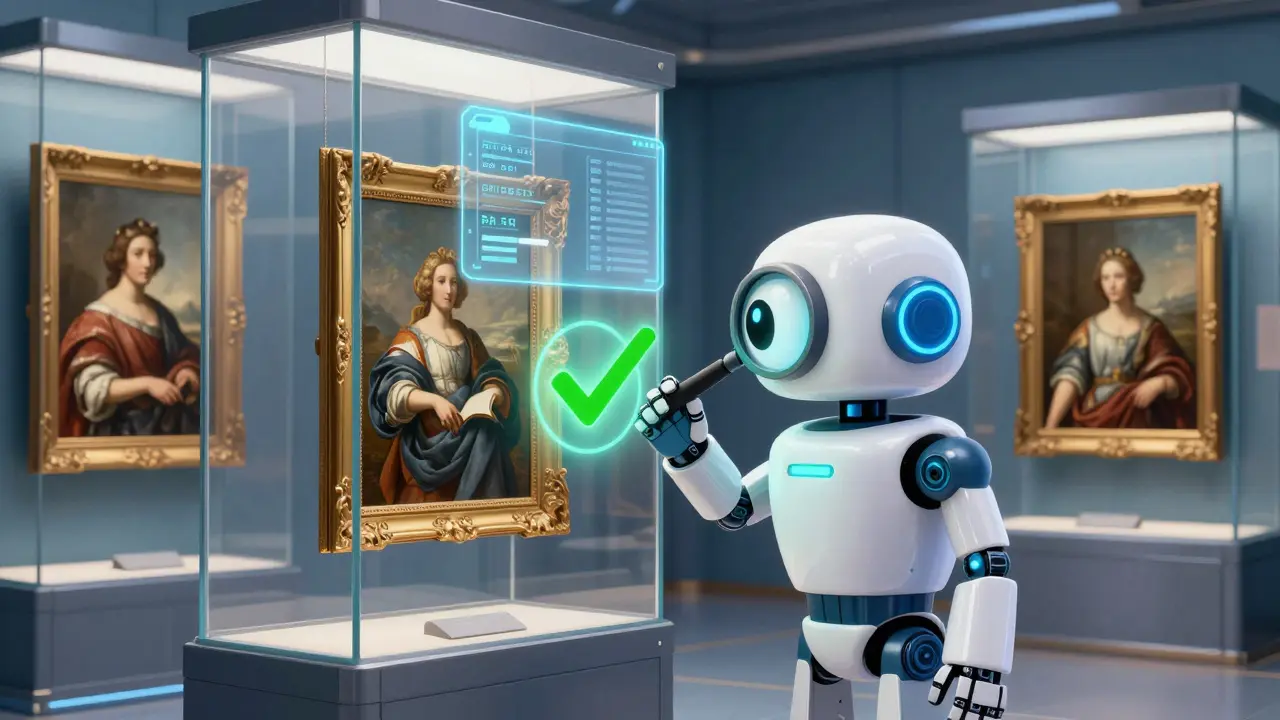
This model relies heavily on trust and verification. Unlike digital-only NFTs (like Bored Apes), which exist solely on the blockchain, ARTFI deals with real-world assets (RWAs). This means there must be a secure custodian holding the physical art, legal frameworks ensuring your digital token equals your legal claim to the asset, and rigorous authentication processes. The platform uses AI-powered systems and immutable blockchain records to verify provenance, ensuring the art backing the tokens is genuine.
Tokenomics: Supply, Scarcity, and Value
Understanding the economics of a token is crucial before investing. ARTFI has a fixed total supply, which creates a built-in scarcity mechanism. Let’s look at the hard numbers:
- Total Supply: 1 billion ARTFI tokens. This cap is permanent; no new tokens can be minted beyond this limit.
- Circulating Supply: As of late 2024, approximately 130.37 million tokens were in active circulation.
- Fully Diluted Valuation (FDV): This metric estimates the market cap if all 1 billion tokens were in circulation. At various points, the FDV has hovered around $14.45 million, while the actual market cap was significantly lower (around $1.88 million).
The gap between the current market cap and the fully diluted valuation is a key indicator for investors. A large gap often suggests that the current price reflects only the circulating supply, but as more tokens enter circulation, selling pressure could increase unless demand grows proportionally. However, it can also indicate that the market is undervaluing the long-term utility of the token if adoption accelerates.
The token serves multiple functions within the ecosystem. It is used for trading fractional shares, paying platform fees, and potentially participating in governance decisions regarding which artworks are added to the platform. This functional demand helps support the token's value beyond mere speculation.
Market Performance and Price Analysis
Cryptocurrency prices are volatile, and ARTFI is no exception. The token has seen significant swings since its launch. Initially, ARTFI launched with a market cap of roughly $3.66 million, showing strong early interest. However, like many emerging projects, it faced consolidation periods where the price dropped as initial hype faded.
| Metric | Value / Status | Note |
|---|---|---|
| All-Time High (ATH) | $0.03892 | Previous peak valuation |
| Recent Trading Range | $0.0014 - $0.0186 | Varies by exchange and liquidity |
| 24-Hour Volume | ~$95,000 - $113,000 | Indicates moderate trader activity |
| Liquidity Pool (Cetus/SUI) | ~$260 | Early-stage liquidity infrastructure |
Technical indicators offer mixed signals. The Relative Strength Index (RSI) has often hovered around 60, which places the token in neutral-to-bullish territory. It’s not overbought, suggesting there is room for upward movement, but it’s not oversold either, meaning a quick bounce isn’t guaranteed. Moving averages have occasionally signaled "Buy" conditions, indicating short-term momentum shifts. Bollinger Bands narrowing often precede big moves, though traders never know if the breakout will be up or down until it happens.
Liquidity remains a challenge. With modest liquidity pools on decentralized exchanges like Cetus (on the Sui network), large trades can cause significant slippage. This means if you try to buy or sell a large amount of ARTFI at once, the price might move against you. For now, spot trading is the primary method for retail users, offering direct ownership without the complexity of leverage.

Risks and Regulatory Hurdles
No investment is without risk, and ARTFI carries specific challenges related to its niche. The biggest hurdle is regulation. The intersection of securities law, art market regulations, and cryptocurrency rules is complex and varies wildly by country. In some jurisdictions, fractional ownership of physical assets could be classified as a security, requiring strict compliance that early-stage projects may struggle to meet.
Another risk is custody. Who holds the physical painting? If the custodian fails, goes bankrupt, or the art is damaged, what happens to your token? The platform must have ironclad insurance and legal agreements to protect token holders. Currently, regulatory clarity for tokenized physical art is underdeveloped, presenting both opportunity for first-movers and significant risk for early adopters.
Additionally, the broader NFT market has cooled significantly since its peak. While utility-focused projects like ARTFI differ from speculative profile-picture projects, they still operate in an ecosystem where user confidence fluctuates. Adoption depends on attracting enough buyers to create liquidity. Without sufficient trading volume, it becomes difficult to exit positions easily.
Future Outlook: Is ARTFI a Long-Term Play?
Proponents of ARTFI point to the massive addressable market. The $1.7 trillion fine art industry is ripe for disruption. If ARTFI can successfully onboard institutional collectors and mainstream investors alike, the potential upside is substantial. Some technical analysts project long-term growth, with speculative targets reaching higher valuations by 2029, assuming widespread adoption of tokenized real-world assets.
However, success hinges on execution. The team needs to continuously add high-profile artworks, maintain transparent custody practices, and navigate evolving regulations. Competition is also emerging, as other platforms begin to explore asset tokenization. ARTFI’s focus on blue-chip art rather than digital collectibles gives it a unique edge, but it requires maintaining relationships with top-tier galleries and auction houses.
If you are considering adding ARTFI to your portfolio, treat it as a high-risk, high-reward speculative position. Do not invest money you cannot afford to lose. Keep an eye on their development updates, particularly regarding new artwork listings and regulatory partnerships. The future of art ownership is likely digital, but the path there will be bumpy.
Is ARTFI a safe investment?
Like all cryptocurrencies, ARTFI carries significant risk. It is a relatively new project in a niche market with low liquidity and evolving regulatory landscapes. While the concept of fractional art ownership is promising, the execution risks-including custody issues and legal compliance-are high. Always conduct your own research and only invest what you can afford to lose.
How do I buy ARTFI tokens?
ARTFI can typically be purchased on supported cryptocurrency exchanges that list the token, such as MEXC or through decentralized exchanges like Cetus on the Sui network. You will need a compatible wallet to store the tokens. Ensure you verify the correct contract address to avoid scams, as fake tokens are common in the crypto space.
What is the difference between ARTFI and regular NFTs?
Regular NFTs usually represent digital files like images or music. ARTFI tokens represent fractional ownership of physical, real-world fine art. This means your token is backed by a tangible asset held in custody, aiming to provide intrinsic value based on the art market rather than just community sentiment.
Who holds the physical art?
The physical artworks are held by professional custodians partnered with the ARTFI platform. These custodians are responsible for the security, insurance, and preservation of the art. The blockchain records your ownership stake, but the physical item remains in secure storage facilities.
What is the total supply of ARTFI?
The total supply of ARTFI is fixed at 1 billion tokens. This cap ensures scarcity, as no additional tokens can be created. As of late 2024, the circulating supply was approximately 130 million tokens.