


If you are looking at LFT, you are likely wondering if this is just another "metaverse" coin or something with actual utility. The reality is that Lifeform is trying to solve a massive problem in web3: how to have a consistent, secure, and verifiable identity across different blockchains without giving away all your private information. It does this by blending 3D art with a technical framework called Decentralized Identifiers (DIDs).
The Tech Behind the Token: How LFT Actually Works
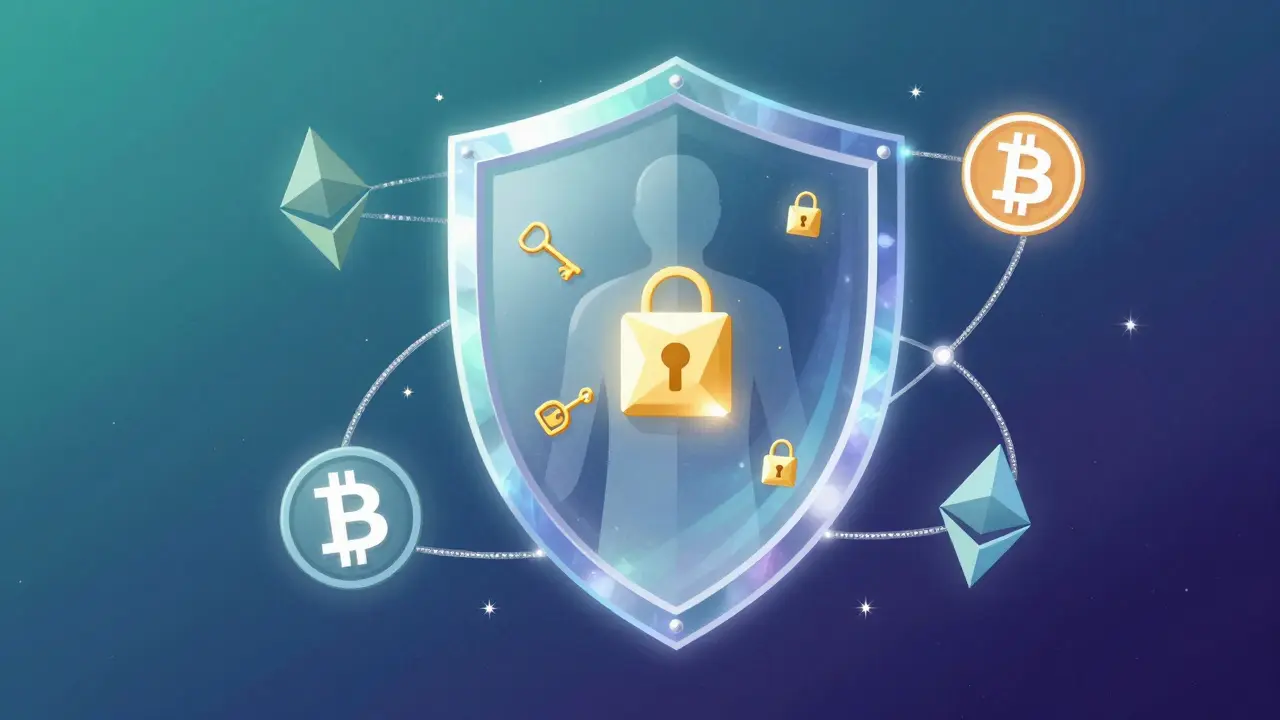
To understand the value of the token, you have to look at the infrastructure. Lifeform doesn't just live on one chain; it's designed as a universal solution. It integrates with the heavy hitters of the crypto world, including Bitcoin, Ethereum, and Solana . By leveraging these networks, Lifeform creates on-chain identities that are globally recognized and secure.
The secret sauce here is the use of zero-knowledge pseudonymous identities. In plain English, this means you can prove who you are or that you possess a certain attribute without revealing the actual sensitive data. It's like showing a bouncer your ID to prove you are 21 without letting them see your home address or full name. This layer of privacy is what makes the Decentralized Identifier (DID) approach so powerful for the modern web.
Turning Pixels into Assets: 3D Avatars and NFTs
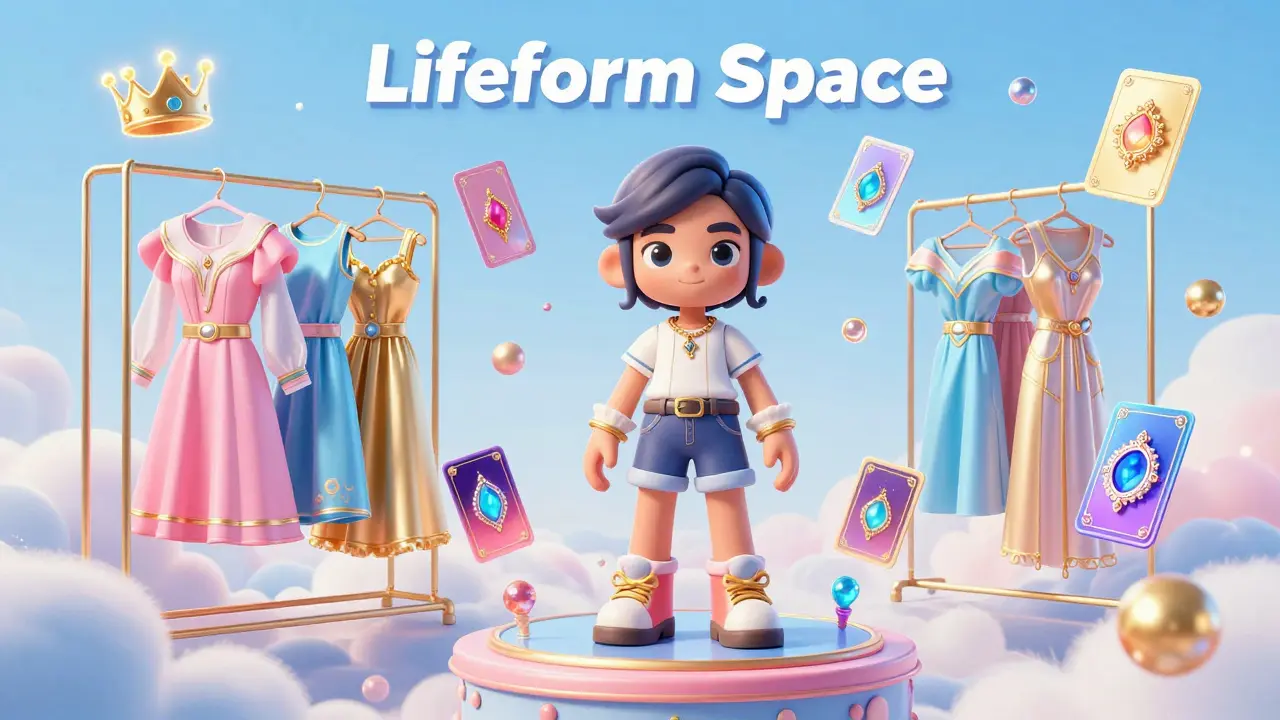
The most visible part of the ecosystem is the creation of hyper-realistic 3D virtual humans. This isn't just about making a character for a game; it's about creating a digital twin. Users can mint these avatars as NFTs , which gives them true ownership. Once you own your avatar, you can customize it with accessories and gear, all of which are tied to the blockchain.
But it goes beyond just looking cool. The platform offers a suite of services to make these identities useful:
- Lifeform Space: A hub for managing your digital presence.
- BrandLife: Tools for brands to interact with these high-fidelity identities.
- EaseLink & UniAccess Portal: Bridges that allow your identity to move smoothly between different platforms.
- LifeGrowth Engine: A system designed to evolve and scale the ecosystem's capabilities.
What Can You Actually Do With LFT?
A token is only as good as its use cases. Lifeform Token isn't just for holding and hoping the price goes up; it has several specific functions within its world. First, it's used for customization and unlocking accessories for those 3D avatars. If you want your digital twin to have a specific look or rare item, LFT is the currency you'll use.
Secondly, the token is used for staking. By locking up your LFT, you help secure the network's operations and, in return, you can earn rewards. This is a classic way for long-term believers to grow their holdings while supporting the project's stability. Additionally, holding LFT can open doors to airdrops from other blockchain projects, as the platform acts as a gateway to a wider web3 community.
| Attribute | Value / Detail |
|---|---|
| Current Price | ~$0.00618 USD |
| All-Time High | $0.58 USD |
| Total Supply | 1 Billion LFT |
| Circulating Supply | 120M to 620M (varies by exchange) |
| Institutional Backing | Binance Labs, IDG Capital |
The Elephant in the Room: Market Performance and Risks
We have to be honest about the numbers. LFT has had a rough ride. From an all-time high of $0.58, the price has dropped over 96%. Currently, it's trading around $0.00618. When you see a drop like that, it usually means one of two things: either the initial hype was an unsustainable bubble, or the project is struggling to find a mass audience.
There is also the issue of liquidity. The volume-to-market-cap ratio is quite low, which means it isn't being traded heavily on a daily basis. If you're looking to move large amounts of LFT, you might find it difficult to do so without affecting the price. Furthermore, exchange support is inconsistent. While you can find it on some platforms, others like KuCoin or Crypto.com don't fully support trading it yet. This lack of accessibility is a significant hurdle for any coin trying to break into the mainstream.
Who is Backing Lifeform?
Despite the price volatility, the project has some heavy hitters in its corner. Binance Labs is a major supporter, providing not just capital but strategic guidance. Having the venture arm of the world's largest exchange involved is a huge signal of legitimacy. Along with IDG Capital, a firm known for its deep tech expertise, Lifeform has the kind of institutional backing that many small-cap projects dream of.
This backing suggests that the professional investors see long-term value in the technology (the DID and 3D avatar framework), even if the token price is currently struggling. They are betting on the infrastructure of the future internet, not necessarily a quick flip in price.
Is Lifeform Token a safe investment?
No investment in small-cap cryptocurrencies is "safe." LFT is highly volatile, having dropped significantly from its all-time high. While it has institutional backing from Binance Labs, its low liquidity and inconsistent exchange support make it a high-risk asset. Only invest what you are willing to lose.
How do I use my LFT tokens?
You can use LFT to customize your 3D virtual human avatars, unlock digital accessories, or participate in staking to earn rewards. It also serves as a tool for managing cross-chain financial services and accessing specific portals within the Lifeform ecosystem.
What makes Lifeform different from other avatars?
Unlike standard gaming avatars, Lifeform uses Decentralized Identifiers (DIDs) and zero-knowledge proofs. This means your avatar is a secure, private, and portable identity that you own on the blockchain and can use across different platforms, rather than being locked into a single game or app.
Which blockchains does LFT support?
Lifeform is designed to be multi-chain. It integrates with Bitcoin, Ethereum, and Solana, allowing users to establish on-chain identities across these diverse ecosystems for better security and global recognition.
Why is there a difference in circulating supply reports?
Different tracking sites like CoinMarketCap and CoinGecko use different methods to calculate circulating supply. Some may count tokens held in vesting contracts or reserves differently, leading to the discrepancy between reports of 120 million and 620 million tokens.
What Should You Do Next?
If you are a developer or a 3D artist, the most interesting part of Lifeform isn't the token-it's the SDK and the ability to create high-fidelity virtual humans. Exploring how to integrate with their DID solution could be a great way to get ahead of the identity trend in web3.
For investors, the first step should be checking the latest volume on a reliable exchange. Because the liquidity is so low, you'll want to be careful about "slippage" (when the price changes significantly during your trade). If you decide to dive in, consider a staking strategy to offset the volatility of the spot price.
Rob Mitchell
April 10, 2026 AT 13:02DIDs are definitely the way forward for web3 identity.
Samson Selleck
April 10, 2026 AT 18:12The systemic failure of the LFT tokenomics is glaringly obvious to anyone with a rudimentary understanding of liquidity aggregates. We are seeing a classic case of venture capital dumping on retail participants while the underlying utility remains purely speculative and theoretical. The delta between the all-time high and the current floor price indicates a total collapse of market confidence, regardless of the purported institutional backing from Binance Labs. The zero-knowledge proof implementation is a buzzword-laden veneer for a project that lacks actual user adoption. To suggest that staking can offset a 96% drawdown is mathematically absurd and intellectually dishonest. One must analyze the velocity of the token and the actual demand for 3D avatars in a saturated market of low-fidelity clones. This isn't a dip; it is a fundamental devaluation of the asset's premise. The discrepancy in circulating supply reports further highlights the lack of transparency inherent in these small-cap ventures. Without a drastic pivot in their go-to-market strategy, this will simply be another footnote in the graveyard of 2020s metaverse hype. The technical framework is irrelevant if there is no ecosystem to support it. Retailers are just exit liquidity for the IDG Capital crowd.
Alan Seiden
April 11, 2026 AT 04:32Typical rubbish. Only a fool would trust a coin that has crashed 96%. This is exactly why we need real assets and not this digital pretend-play.
Omotola Balogun
April 11, 2026 AT 13:35Actually, the ZK-proofs part is the most imporent thing here. Most people dont get that you can prove age without giving name. Its basic cryptography but most coins miss it.
EDOZIEM MICHAEL
April 12, 2026 AT 01:21true identity is a mirror of the soul and the blockchain is just another mirror
jennelle williams
April 13, 2026 AT 10:32sounds like a nice dream. i hope people find peace in it
Chidinma Sandra okafor
April 13, 2026 AT 21:30Oh great, another project that thinks it can change the world while the price is literally in the gutter. So inspiring!
daniella davis
April 14, 2026 AT 19:17omg please tell me you guys aren't actually buying this lol. its so obvious that the a-t-h was just a pump and dump and anyone who thinks binomials or whatever are helping is just deluded
Lauren Abrams
April 15, 2026 AT 19:42The multi-chain support for Bitcoin and Solana is an interesting touch.
aletheia wittman
April 17, 2026 AT 02:21i literally cannot with this token price!! like how do u drop 96% and still say its a safe bet?! im screming
Tracie and Matthew Hartley
April 17, 2026 AT 04:50u guys r too hype about this. its just jpegs with more polygons. who cares about a digital twin anyway
Kieran Smith
April 18, 2026 AT 03:04im actually pretty excited for the sdk part. imagine the cool stuff we could build with those avatars if we just give it a little time to grow
Surender Kumar
April 19, 2026 AT 15:24agree with that, the tech seems promising even if the market is a bit shaky right now. just gotta be patient i guess
william manes
April 21, 2026 AT 02:43BUY THE DIP 🚀🚀 Only losers sell at the bottom! 🇺🇸
Lela Singh
April 22, 2026 AT 02:15Absolute goldmine for artists! Imagine the vibrant worlds we can sculpt with these tools!
Hope Johnson
April 22, 2026 AT 16:40When we consider the intersection of digital presence and our inner selves, the concept of a portable identity becomes a profound exploration of how we choose to be seen by the world, shifting the paradigm from corporate surveillance to a more inclusive, user-centric model of existence where the avatar is not merely a mask but a bridge toward a more authentic version of our digital humanity.
Akshay Gorad
April 23, 2026 AT 19:49The risk is high, but the institutional backing provides a certain level of stability. I believe it's best to approach this with caution.