

When you trade crypto in Crypto Regulation Indonesia, the set of legal rules and enforcement actions that govern how digital assets are bought, sold, and stored in Indonesia. Also known as Indonesian cryptocurrency laws, it shapes everything from which exchanges you can use to whether you can hold crypto in your own wallet. Unlike countries that ban crypto outright, Indonesia allows trading—but with heavy restrictions. The government doesn’t recognize crypto as legal tender, but it does permit licensed exchanges to operate under strict oversight from Bappebti, the commodities futures trading agency.
This means your options are limited. Indodax, Indonesia’s largest and most trusted crypto exchange, serving over 1.5 million users with IDR deposits and a simple mobile app is one of the few platforms that can legally operate. Other platforms, like Cryptoforce or BTX Pro, lack licenses, audits, or transparency—and are often scams. Even if you use a non-custodial wallet, you’re still subject to Indonesia’s 0.1% tax on every crypto transaction. That tax isn’t just a formality—it’s actively enforced. The government tracks wallet addresses linked to licensed exchanges, and failure to report can lead to fines or legal trouble.
What’s more, the rules change fast. While there’s no outright ban on self-custody wallets, the environment makes them hard to use safely. Many users avoid holding crypto outside exchanges because of unclear reporting rules and fear of being flagged. And when scams like fake airdrops or phishing sites pop up—like the CDONK X CoinMarketCap scam or the fake LESS Network drop—it’s often hard to know what’s real. Indonesia’s regulators don’t have the resources to shut down every fraud, so users are left to protect themselves.
You’ll find real stories here: how Indodax users navigate taxes, why some platforms vanish overnight, and how people avoid losing money to fake airdrops. There’s no fluff—just what works, what doesn’t, and what you need to do to stay safe under Indonesia’s current crypto rules. Whether you’re buying your first Bitcoin or trying to understand why your wallet feels risky, the posts below give you the facts without the hype.
Posted By Tristan Valehart On 9 Dec 2025 Comments (24)
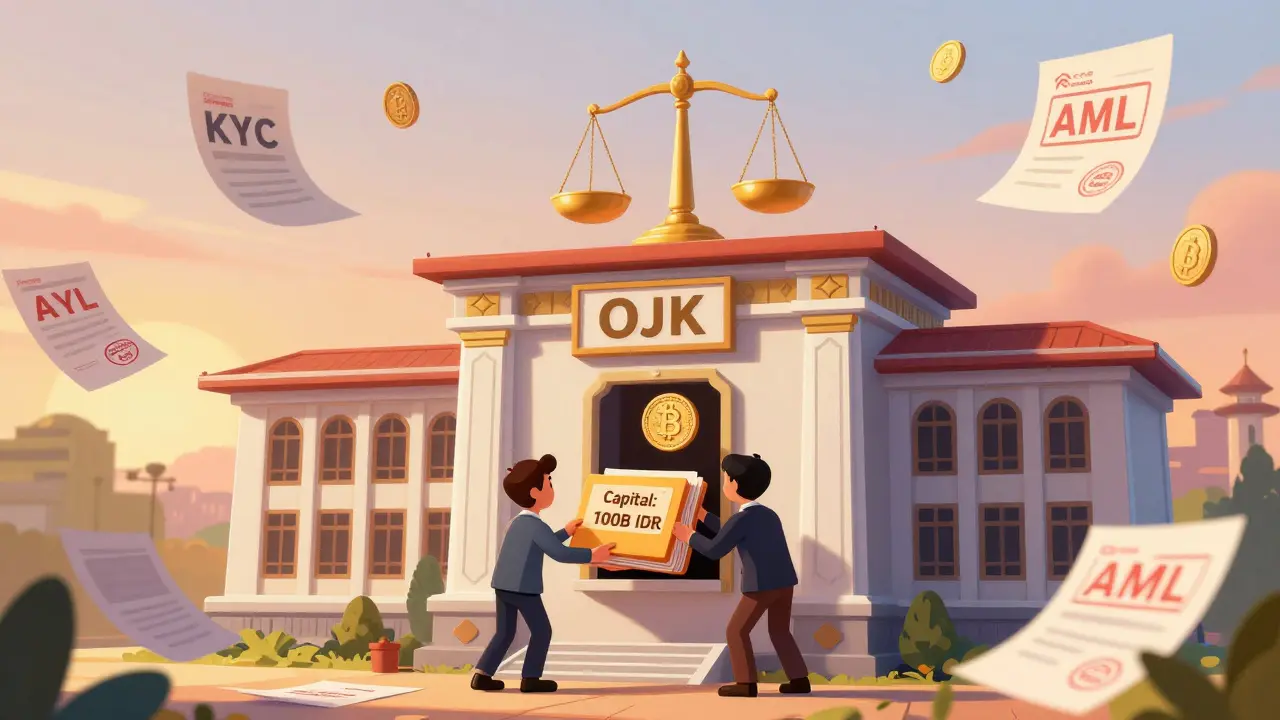
Indonesia’s crypto exchange rules changed in 2025. Learn the new OJK licensing requirements, capital needs, compliance rules, tax changes, and which coins you can trade legally.
READ MORE