

When people talk about a crypto wallet ban India, a set of regulatory actions that severely restrict how Indian residents can use cryptocurrency wallets and exchanges. Also known as crypto restrictions in India, it's not a total ban—but the effect is nearly the same. The Reserve Bank of India never outlawed crypto outright, but it forced banks to cut off services to crypto businesses, making it nearly impossible to deposit or withdraw rupees from wallets without jumping through legal hoops. Today, Indian users still hold crypto, but they do it in the shadows—using peer-to-peer trades, offshore exchanges, or stablecoins to move value without triggering bank alerts.
What makes this different from a full ban like Egypt’s is that India never passed a law saying "crypto is illegal." Instead, it created a system where crypto regulation India, the evolving legal and tax framework that governs how crypto is treated under Indian law. Also known as Indian crypto tax rules, it requires every trade to be reported, and exchanges must collect KYC data under strict guidelines. If you’re caught using a non-compliant wallet or sending crypto to an unregistered platform, you risk account freezes, tax penalties, or even criminal investigation. The government doesn’t want you to stop using crypto—it wants to control every transaction. That’s why wallets like WazirX and CoinDCX still operate: they’re licensed, tracked, and taxed. But if you use a non-KYC wallet like Trust Wallet or MetaMask to buy crypto from a P2P seller, you’re in a legal gray zone.
And it’s not just about wallets. crypto ban India, the informal but powerful pressure campaign against crypto adoption by banks and financial institutions. Also known as crypto liquidity freeze, it means most Indian banks refuse to process payments to or from crypto platforms, even if the platform is legal. This forces users into risky workarounds—using foreign bank accounts, crypto-to-crypto swaps, or third-party payment processors that aren’t regulated. Many have lost funds to scams pretending to be "crypto-friendly" payment gateways. The result? A thriving underground market, where trust is scarce and mistakes are expensive.
If you’re in India and holding crypto, you’re not breaking the law—but you’re operating under constant risk. The government’s message is clear: comply with KYC, pay taxes, and stick to approved platforms—or face consequences. That’s why the posts below focus on real tools, real risks, and real stories from Indian crypto users. You’ll find guides on how to use P2P safely, how to spot fake exchanges targeting Indian users, and how to protect your wallet when banks won’t help. There’s no official ban, but the walls are closing in. What you do next matters more than ever.
Posted By Tristan Valehart On 4 Dec 2025 Comments (22)
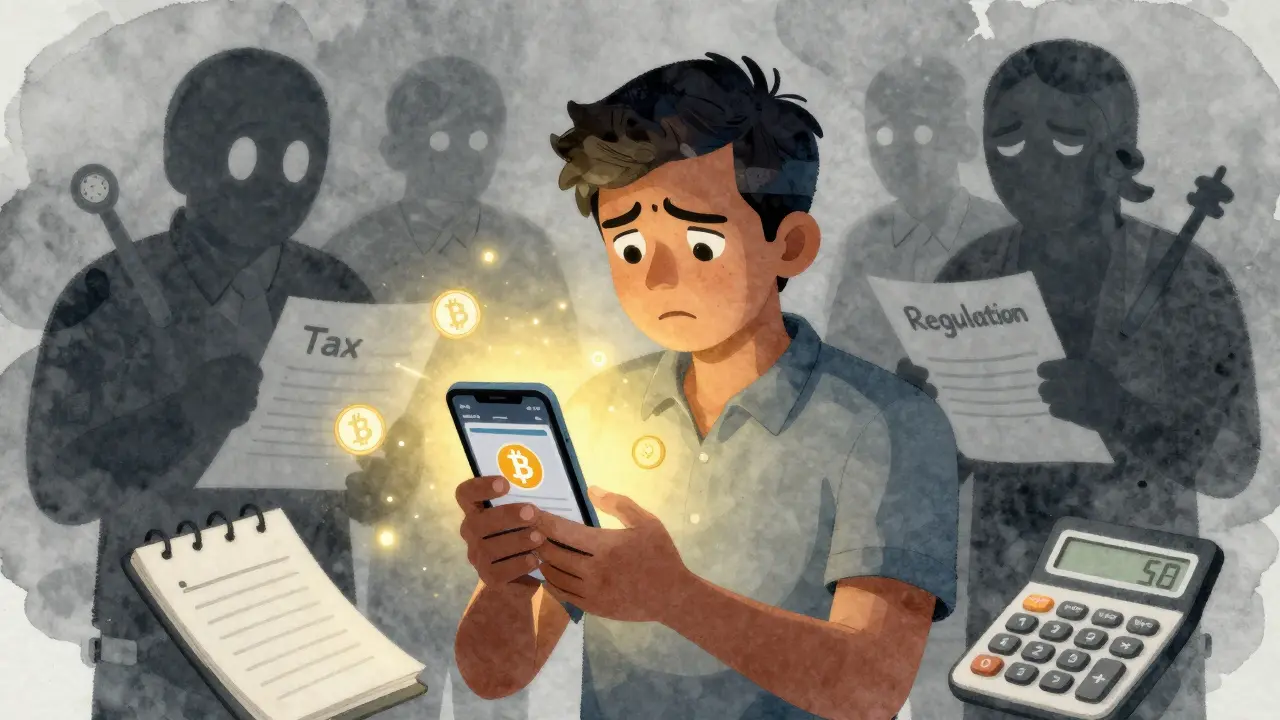
India hasn't banned non-custodial crypto wallets, but heavy taxes, unclear rules, and poor infrastructure are making them hard to use. Here's what's really happening - and what to do next.
READ MORE