

When you hear DFA licensing, a regulatory framework that governs financial services and digital asset platforms. Also known as Digital Financial Authority licensing, it's the legal backbone that separates legit crypto exchanges from sketchy ones. This isn’t just paperwork—it’s the difference between a platform you can trust and one that vanishes overnight.
DFA licensing requires exchanges to prove they’re secure, transparent, and follow anti-money laundering rules. In places like Germany, that means BaFin licensing, the German financial regulator’s strict approval process for crypto platforms. In Thailand, it means risking jail time if you skip compliance. And in Egypt? There’s no licensing at all—just a flat-out ban. These aren’t abstract rules. They directly impact whether your funds are safe, whether you can withdraw, and whether a platform even exists next year.
What ties all the posts together? crypto exchange regulation, the set of legal standards that determine if a platform can operate legally. You’ll find posts on platforms that passed these checks—like Indodax in Indonesia or bitFlyer in Japan—and others that clearly didn’t, like BTX Pro or Cryptoforce. You’ll see how licensing affects user access, how unlicensed platforms lure beginners with fake promises, and how governments use licensing to control or crush crypto adoption. The truth? If a platform doesn’t talk about its license, it’s probably not licensed at all.
And it’s not just about exchanges. Licensing shapes everything—from stablecoins like DSFR (which claimed to be Swiss-backed but had zero backing) to airdrops that vanish the moment you send crypto to claim them. If it’s not regulated, it’s not reliable. That’s why the most valuable posts here don’t just list tokens—they expose the systems behind them. You’ll learn how to spot the ones that play by the rules, and the ones that are just waiting for you to click ‘confirm’.
Below, you’ll find real-world examples of what happens when licensing is ignored, enforced, or misunderstood. No fluff. No hype. Just what works, what fails, and why it matters for your wallet.
Posted By Tristan Valehart On 9 Dec 2025 Comments (24)
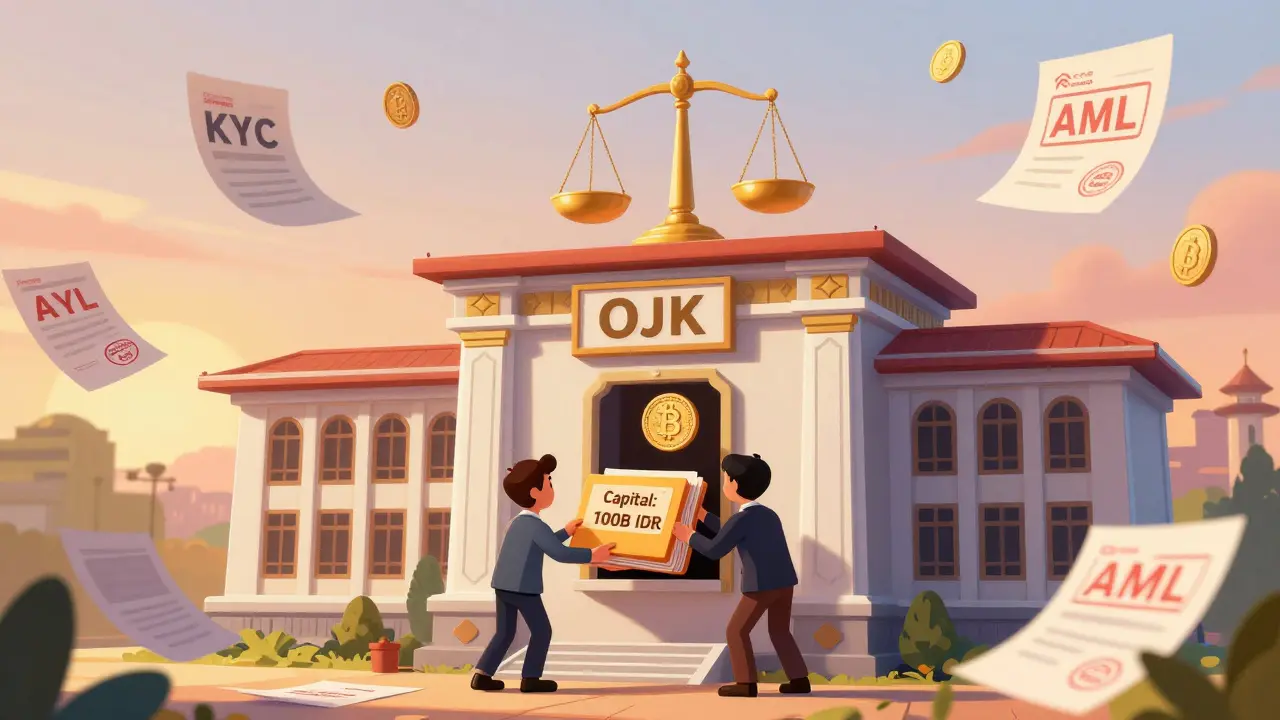
Indonesia’s crypto exchange rules changed in 2025. Learn the new OJK licensing requirements, capital needs, compliance rules, tax changes, and which coins you can trade legally.
READ MORE