

When you think about crypto regulations, government rules that control how people buy, trade, or hold digital assets. Also known as cryptocurrency laws, it shapes everything from who can use a wallet to whether you go to jail for trading. In November 2025, these rules weren’t just changing—they were exploding. Thailand slapped jail time and asset freezes on non-compliant users. Egypt kept its full ban. Algeria fined people up to $14,700 just for holding crypto. Meanwhile, Germany and the UK tightened licensing, forcing exchanges to prove they could stop money laundering or shut down. The message? If you’re not following the rules, you’re not just risking money—you’re risking freedom.
And then there’s the cryptocurrency airdrops, free token distributions meant to reward users, but often used to trick them. Also known as free crypto drops, they flooded inboxes in November 2025—but almost none were real. LESS Network? Fake. SafeLaunch SFEX? Worth $0. Recharge Incentive Drop? A phishing trap. Even the MOWA Moniwar airdrop, which actually paid out, ended in November with only 99 people getting tokens. Most airdrops weren’t giveaways—they were honeypots. Scammers didn’t need to hack wallets. They just asked you to connect yours, and boom—your crypto vanished. Meanwhile, legitimate projects like Bifrost’s BNC airdrop had strict rules, deadlines, and exchange-only eligibility. You had to act fast, and you had to know where to look.
Behind the noise, DeFi security, the practice of protecting decentralized finance protocols from exploits like flash loans and oracle manipulation. Also known as blockchain safety, it became the silent battle of 2025. Flash loan attacks kept happening because devs still trusted price feeds too much. Restaking ETH for extra yield? It could slash your entire stake if one protocol fails. And Layer 2 solutions? They made transactions cheap and fast, but didn’t fix the core risks. Meanwhile, blockchain gaming, games where you own in-game items as NFTs and earn crypto by playing. Also known as GameFi, it was growing—but most titles were empty shells. Play-to-earn wasn’t a job. It was a gamble with your time. And the best stablecoins—USDC, DAI, USDe—weren’t just tools. They were lifelines in a market that swung wildly every hour.
What you’ll find here isn’t just a list of articles. It’s a record of what actually happened in November 2025: the laws that changed lives, the airdrops that stole money, the DeFi flaws that got exploited, and the games that still had real value. No fluff. No hype. Just what you needed to know before it was too late.
Posted By Tristan Valehart On 30 Nov 2025 Comments (28)
The BNC airdrop by Bifrost in March 2025 was a structured, exchange-based campaign on LBank and KuCoin. Learn who qualified, what the requirements were, and why no more free drops are coming.
READ MORE
Posted By Tristan Valehart On 29 Nov 2025 Comments (28)
Thailand's 2025 crypto rules impose jail time, fines, and asset freezes for non-compliance. Foreign platforms are blocked, licensed exchanges face unlimited liability, and users face invasive KYC. The message is clear: comply or lose everything.
READ MORE
Posted By Tristan Valehart On 27 Nov 2025 Comments (26)
Play-to-earn gaming lets you earn crypto by playing, but it’s not a get-rich-quick scheme. Learn how it compares to traditional gaming in ownership, earnings, complexity, and long-term value.
READ MORE
Posted By Tristan Valehart On 26 Nov 2025 Comments (16)
Indodax is Indonesia's largest crypto exchange, serving over 1.5 million users with easy IDR deposits, staking, and a top-rated mobile app. Learn why it's the go-to platform for Indonesian traders in 2025.
READ MORE
Posted By Tristan Valehart On 25 Nov 2025 Comments (0)
Flash loan attacks exploit DeFi protocols by borrowing funds without collateral to manipulate prices and steal assets. Learn how they work, real-world examples, and how to protect yourself in today’s risky DeFi landscape.
READ MORE
Posted By Tristan Valehart On 24 Nov 2025 Comments (20)
Egypt's Law 194 of 2020 banned all cryptocurrency activities without Central Bank approval. Learn how it affected users, startups, and the economy-and why the ban still stands in 2025.
READ MORE
Posted By Tristan Valehart On 23 Nov 2025 Comments (17)
THORChain lets you swap native BTC, ETH, and other crypto across chains without wrapping or custody. No KYC, no middlemen. Learn how it works, its risks, and if it's right for you in 2025.
READ MORE
Posted By Tristan Valehart On 22 Nov 2025 Comments (26)
Wagmi (zkSync Era) is a DeFi protocol with almost no trading volume. Learn why it's not a viable exchange in 2025 and which alternatives on zkSync Era actually work.
READ MORE
Posted By Tristan Valehart On 21 Nov 2025 Comments (18)
Restaking lets you reuse your staked Ethereum to secure other blockchain services and earn higher yields - up to 12% APY. But it comes with complex risks like slashing across multiple protocols. Learn how it works, who uses it, and whether it's right for you.
READ MORE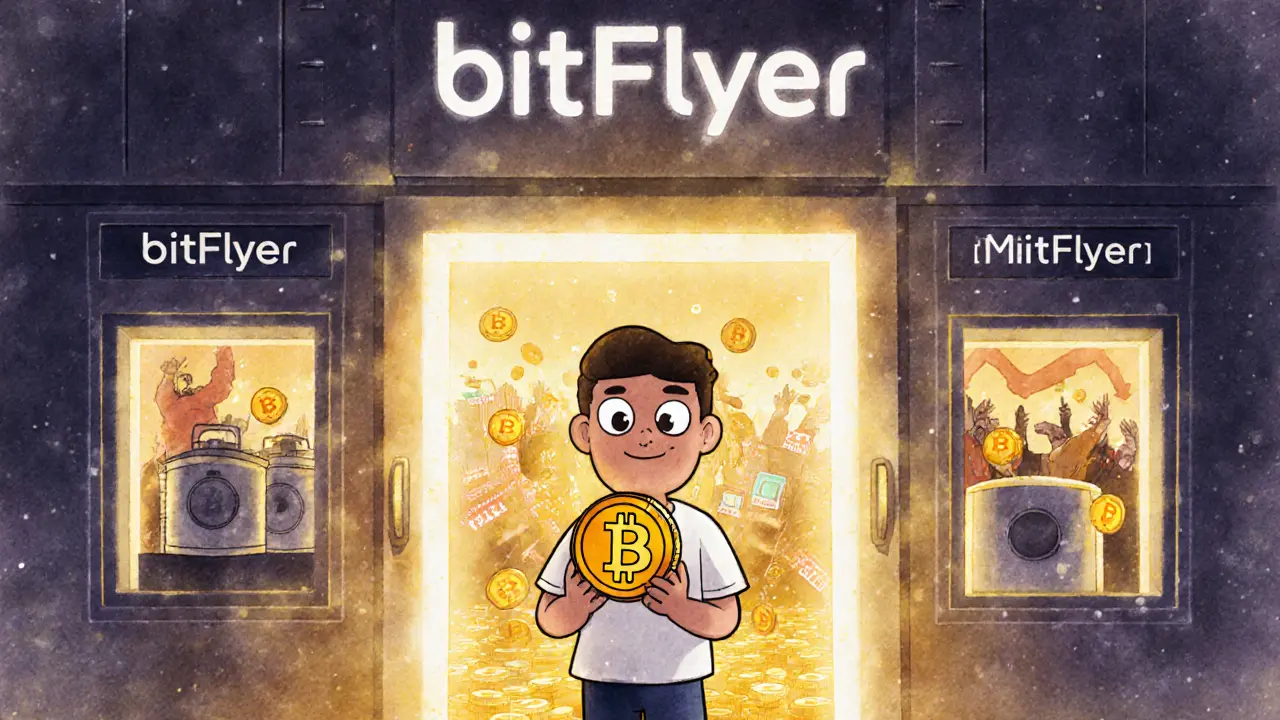
Posted By Tristan Valehart On 18 Nov 2025 Comments (19)
bitFlyer is a secure, regulated crypto exchange ideal for beginners who prioritize safety over variety. With only 11 coins and limited support, it's not for active traders - but its 7-year hack-free record makes it a trustworthy entry point.
READ MORE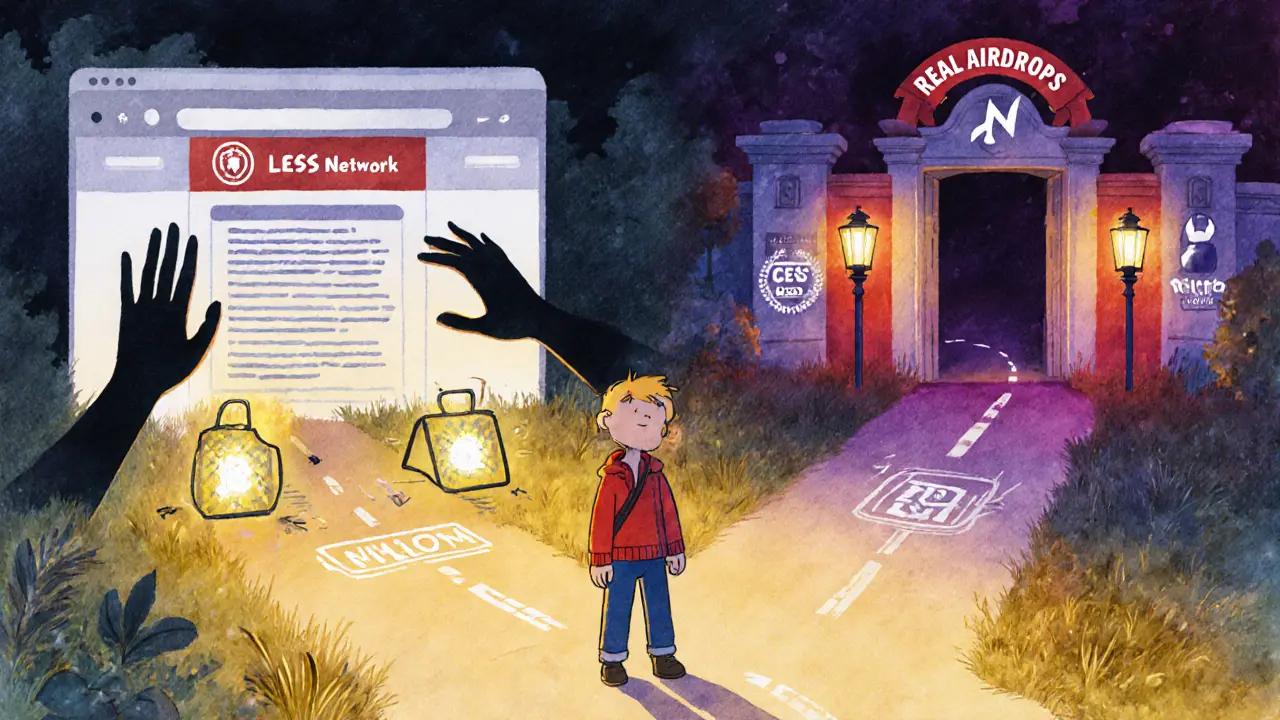
Posted By Tristan Valehart On 17 Nov 2025 Comments (0)
There is no official LESS Network airdrop. Any claims of free tokens are scams. Learn how to spot fake airdrops and protect your crypto wallet from phishing attacks in 2025.
READ MORE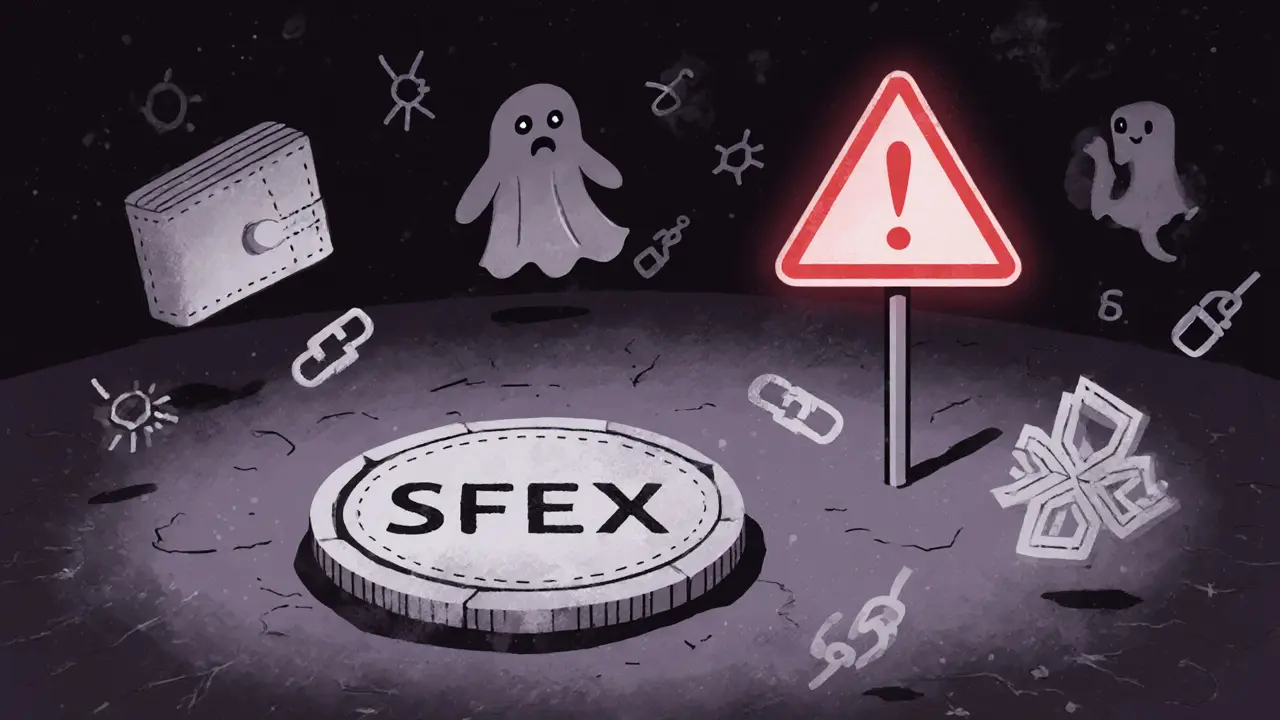
Posted By Tristan Valehart On 16 Nov 2025 Comments (31)
There is no legitimate SafeLaunch SFEX airdrop in 2025. The token trades at $0 with no volume. Any claim otherwise is a scam designed to steal your crypto. Learn how to spot fake airdrops and protect your wallet.
READ MORE