

When working with Blockchain Technology, a decentralized ledger system that records transactions across a network of computers. Also known as distributed ledger, it powers most crypto projects, fuels new finance models, and lets anyone verify data without a central authority.
Blockchain Technology keeps expanding, and three ideas keep popping up. First, Soft Fork, a backward‑compatible protocol upgrade that adds new features without forcing all nodes to upgrade lets developers roll out changes like SegWit while preserving existing wallets. Second, Block Structure, the arrangement of transaction data, headers and metadata inside each block determines how fast a chain can process transactions and how secure it stays against attacks. When a soft fork adjusts the block structure, miners and nodes can continue operating together, which is why many major chains prefer soft forks over disruptive hard forks. Together, these concepts shape the speed, safety and scalability of the networks you read about every day.
Security comes down to the keys you hold. Private Key, a secret alphanumeric string that proves ownership of a blockchain address is the gatekeeper for moving funds, signing contracts, and accessing decentralized apps. If you lose it, the assets are gone; if it’s compromised, anyone can drain your wallet. That's why best practices around key storage, hardware wallets, and multi‑signature setups matter as much as the tech behind the chain itself. Understanding how private keys interact with block structure and soft‑fork upgrades helps you stay ahead of the curve, whether you’re trading, building DeFi bots, or just keeping your crypto safe. Ready to dig deeper? Below you’ll find a hand‑picked collection of articles that break down regulation, tokenomics, mining, and real‑world use cases—all linked by the core ideas of blockchain upgrades, architecture and security.
Posted By Tristan Valehart On 27 Feb 2026 Comments (1)
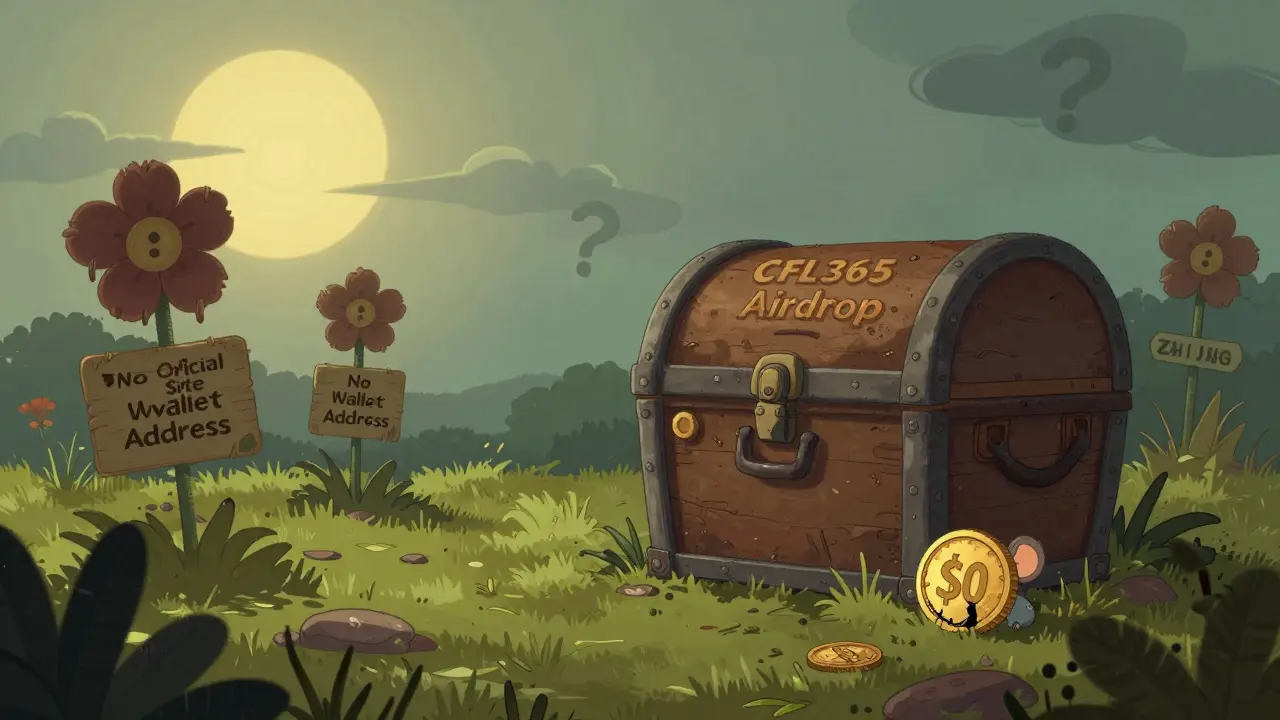
There is no verified CFL365 airdrop. Despite claims online, the project shows zero activity, with its token trading at $0 and no official announcements. Don't waste time chasing fake opportunities - here's what you need to know.
READ MORE
Posted By Tristan Valehart On 26 Feb 2026 Comments (2)
Fusionist (ACE) is a blockchain-based gaming token powering a next-gen Web3 MMO with AAA graphics, NFT ownership, and DeFi staking. Learn how ACE works, where to buy it, and why it's different from other crypto games.
READ MORE
Posted By Tristan Valehart On 22 Feb 2026 Comments (5)
Learn how blockchain works, why it matters, and how to start using it in 2026. No jargon. Just clear, real-world examples of how this technology is changing finance, supply chains, and digital trust.
READ MORE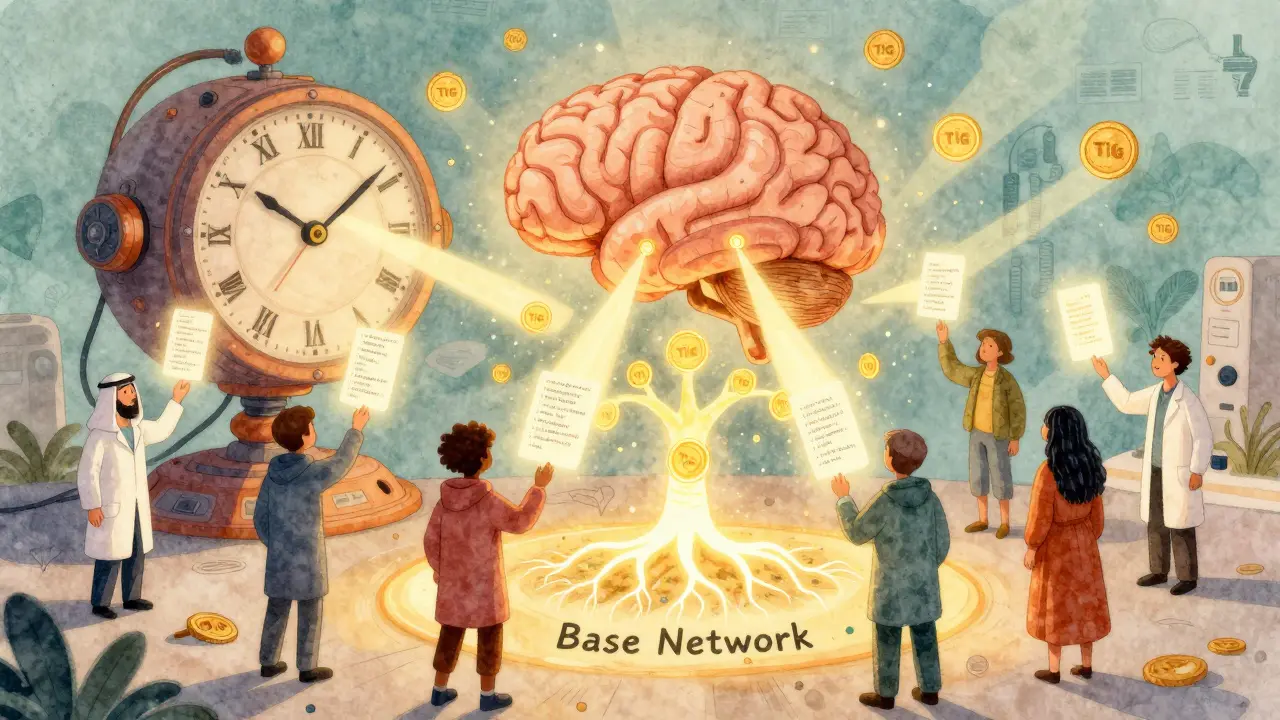
Posted By Tristan Valehart On 21 Feb 2026 Comments (11)
The Innovation Game (TIG) is a crypto protocol that pays developers to solve real scientific problems with algorithms. Unlike other coins, TIG turns code into measurable value - rewarding innovation, not speculation.
READ MORE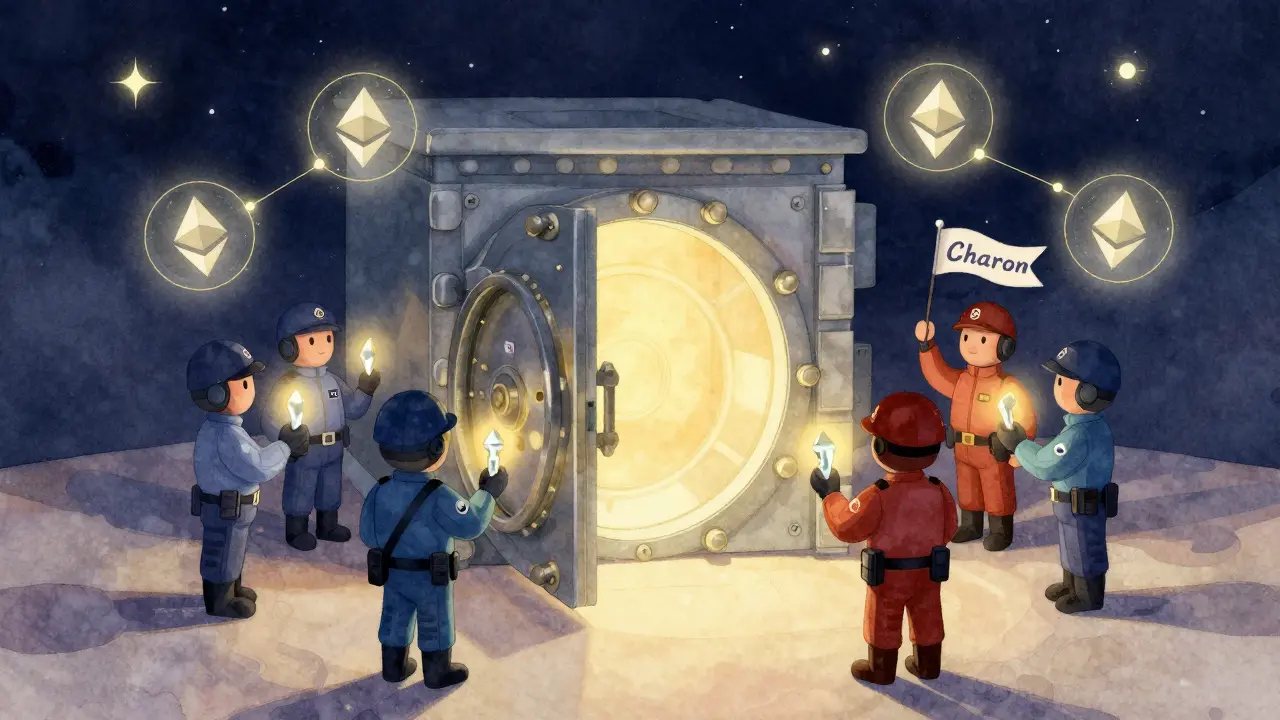
Posted By Tristan Valehart On 20 Feb 2026 Comments (12)
Obol (OBOL) is a Distributed Validator Technology that secures Ethereum staking by splitting validator keys across multiple operators. It eliminates single points of failure, powers major staking platforms like Lido, and uses its token for governance and rewards.
READ MORE
Posted By Tristan Valehart On 19 Feb 2026 Comments (9)
Data sharding is a proven method for scaling databases and blockchains-but 'transaction sharding' is a myth. Learn why the confusion hurts performance and how to build systems that actually scale.
READ MORE
Posted By Tristan Valehart On 17 Feb 2026 Comments (11)
China's complete crypto ban prohibits all Bitcoin trading, mining, and exchange activity. Holders face legal risks, no protections, and no path to cash out. The ban remains firm, with no signs of reversal despite global rumors.
READ MORE
Posted By Tristan Valehart On 14 Feb 2026 Comments (17)
Swiss Capital (SC) is a crypto token with conflicting data, zero trading volume, and no clear purpose. Its price dropped 93% from its peak, and major platforms disagree on its supply and market cap. Proceed with extreme caution.
READ MORE
Posted By Tristan Valehart On 13 Feb 2026 Comments (18)
No such thing as Elves DEX-it doesn't exist. Confusion with the aelf blockchain (ELF) leads to scam sites. Learn how to spot fake DEXs and stick to verified platforms like Uniswap and PancakeSwap in 2026.
READ MORE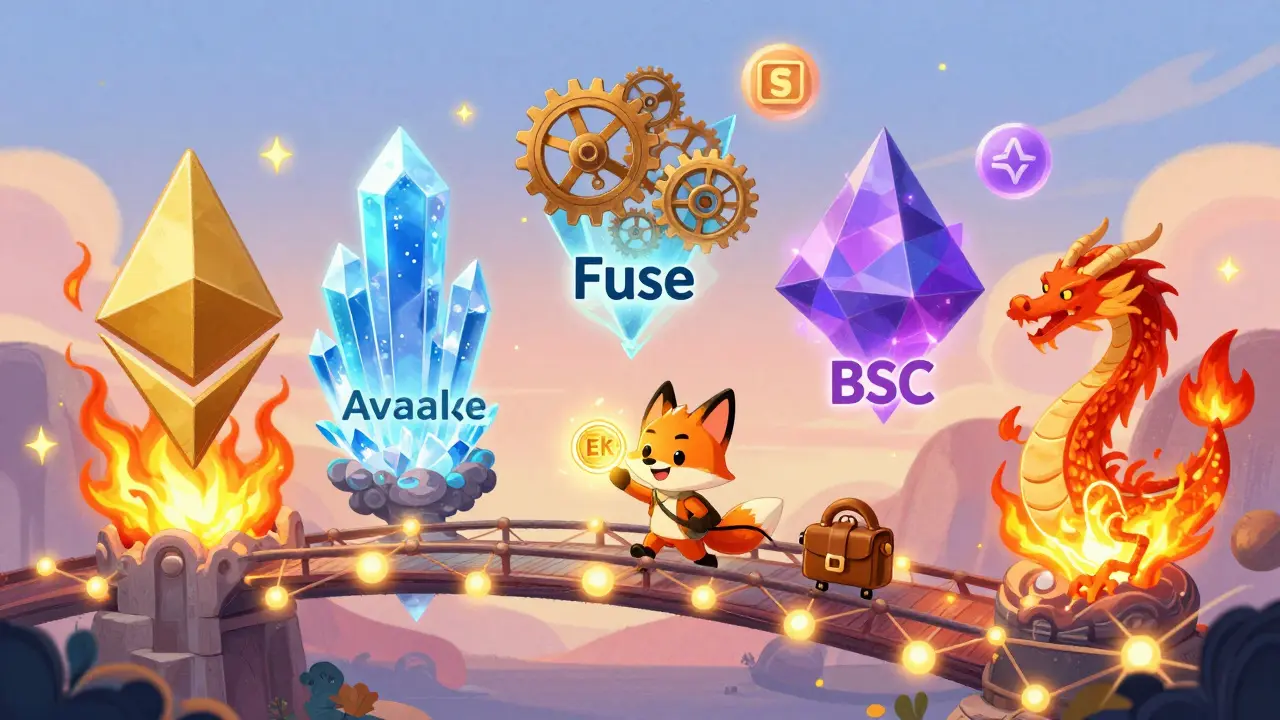
Posted By Tristan Valehart On 12 Feb 2026 Comments (18)
Elk Finance (Fuse) is a cross-chain decentralized exchange that lets users swap tokens like ELK and FUSE across Ethereum, Avalanche, and Polygon without intermediaries. Fast, trustless, and DAO-governed, it’s built for DeFi users who want seamless multi-chain trading.
READ MORE
Posted By Tristan Valehart On 11 Feb 2026 Comments (18)
The Merkle root is the cryptographic foundation that lets blockchains verify transactions without storing every detail. It powers lightweight wallets, enables trustless verification, and underpins Bitcoin and Ethereum’s scalability.
READ MORE
Posted By Tristan Valehart On 9 Feb 2026 Comments (20)
NFTs in gaming are shifting from hype to real ownership, letting players truly own, trade, and use digital items across games. With mobile growth, cross-game interoperability, and Gen Z adoption, the future is about gameplay first - not profit.
READ MORE